
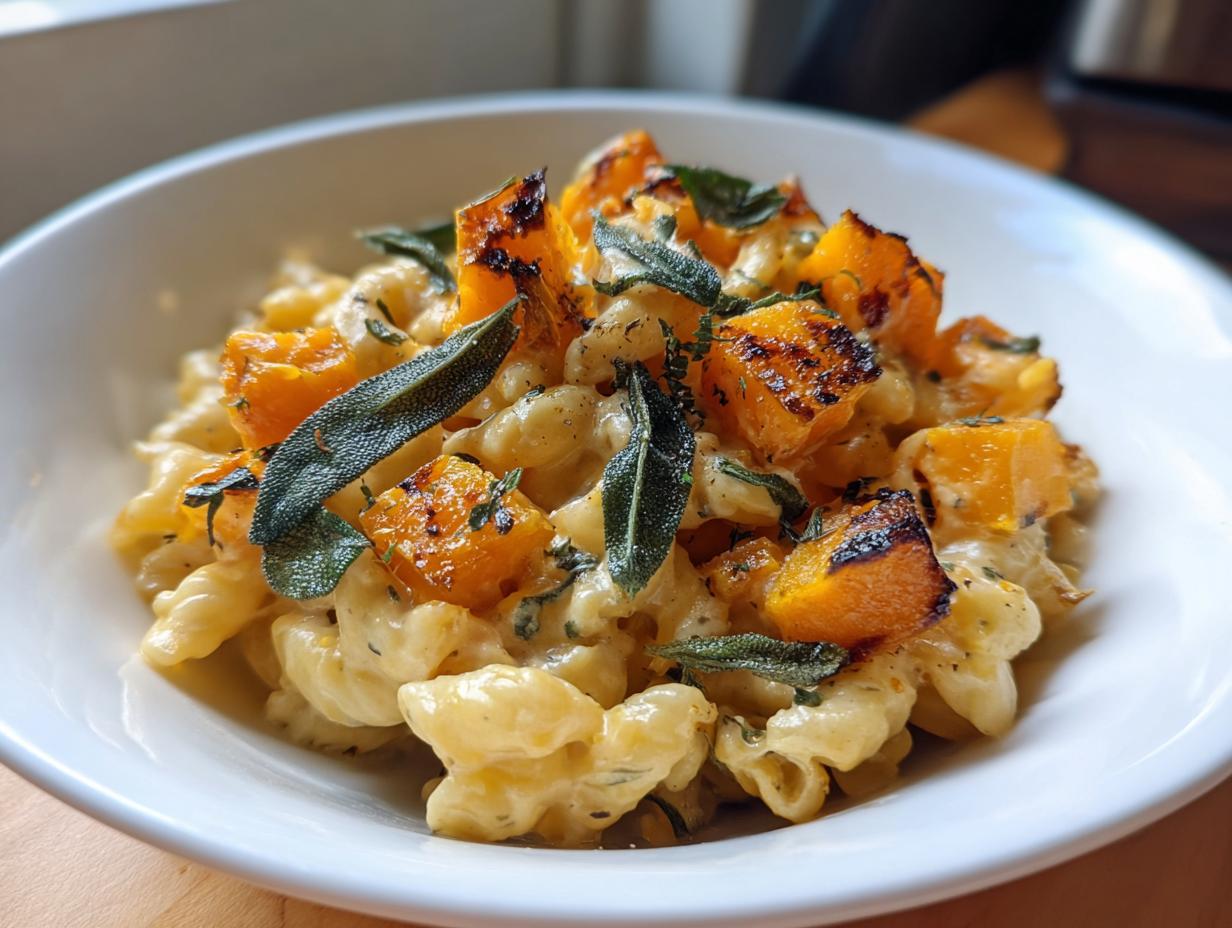
Oh, pasta! It’s like a warm hug in a bowl, especially when the leaves start to turn and the air gets that little crisp bite. My absolute favorite thing to whip up when fall rolls around is this incredible Butternut Squash Pasta with Crispy Sage. It’s one of those dishes that looks fancy enough for company but is honestly so simple, you can make it on a Tuesday night. I remember the first time I made it – the house smelled *amazing*, like a cozy autumn hug, and my family devoured it in minutes! Trust me, these Pasta Recipes for Butternut Squash Pasta With Crispy Sage are destined to become a fall favorite in your kitchen, too.
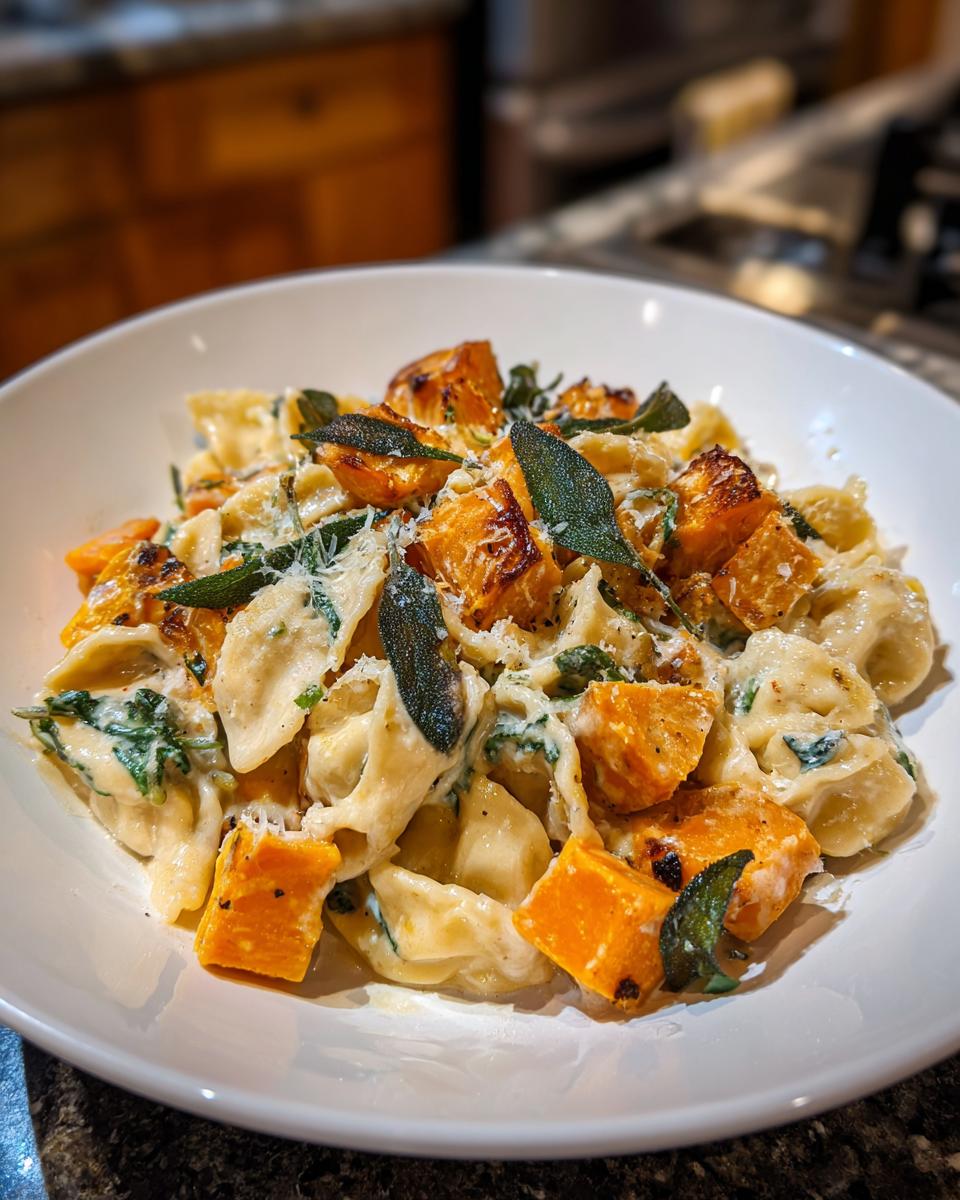
Why You’ll Love This Butternut Squash Pasta Recipe
Seriously, this dish is a winner for so many reasons! Here’s why it’s become a staple in my kitchen and why I think you’ll adore it too:
- It’s SO Easy! You’d think something this delicious and elegant would be complicated, but nope! Most of the magic happens while the squash roasts in the oven.
- Flavor Explosion! The sweet, earthy butternut squash pairs perfectly with the savory, crispy sage and a hint of nutmeg. It’s pure autumn comfort.
- Perfectly Seasonal: This screams fall! It’s the ideal way to use up those gorgeous butternut squashes you see at the market.
- Super Versatile: Want to add some protein? Throw in some grilled chicken or pancetta! Looking for a vegan option? Easy peasy – just swap out the dairy.
Gather Your Ingredients for Butternut Squash Pasta With Crispy Sage
Alright, let’s get our mise en place ready! For this amazing butternut squash pasta, the magic really comes from good, fresh ingredients. Trust me, using the best you can find makes all the difference. Here’s what you’ll need to round up for this beauty:
For the Squash
- 1 medium butternut squash, peeled, seeded, and cut into little cubes
- 2 tablespoons of good olive oil
- 1/2 teaspoon salt (kosher salt is my favorite!)
- 1/4 teaspoon black pepper
For the Pasta
- 12 ounces of your favorite pasta – fettuccine or penne work wonderfully here!
- 2 tablespoons of unsalted butter
- 1/4 cup of fresh sage leaves – don’t skimp on these, they get SO good when crispy!
- 2 cloves of garlic, all minced up
- 1/2 cup of heavy cream (for that lovely silky sauce)
- 1/4 cup of grated Parmesan cheese, plus extra for serving, of course!
- 1/4 teaspoon of freshly grated nutmeg (makes a world of difference!)
- Salt and pepper, just to taste
Step-by-Step Guide to Making Butternut Squash Pasta With Crispy Sage
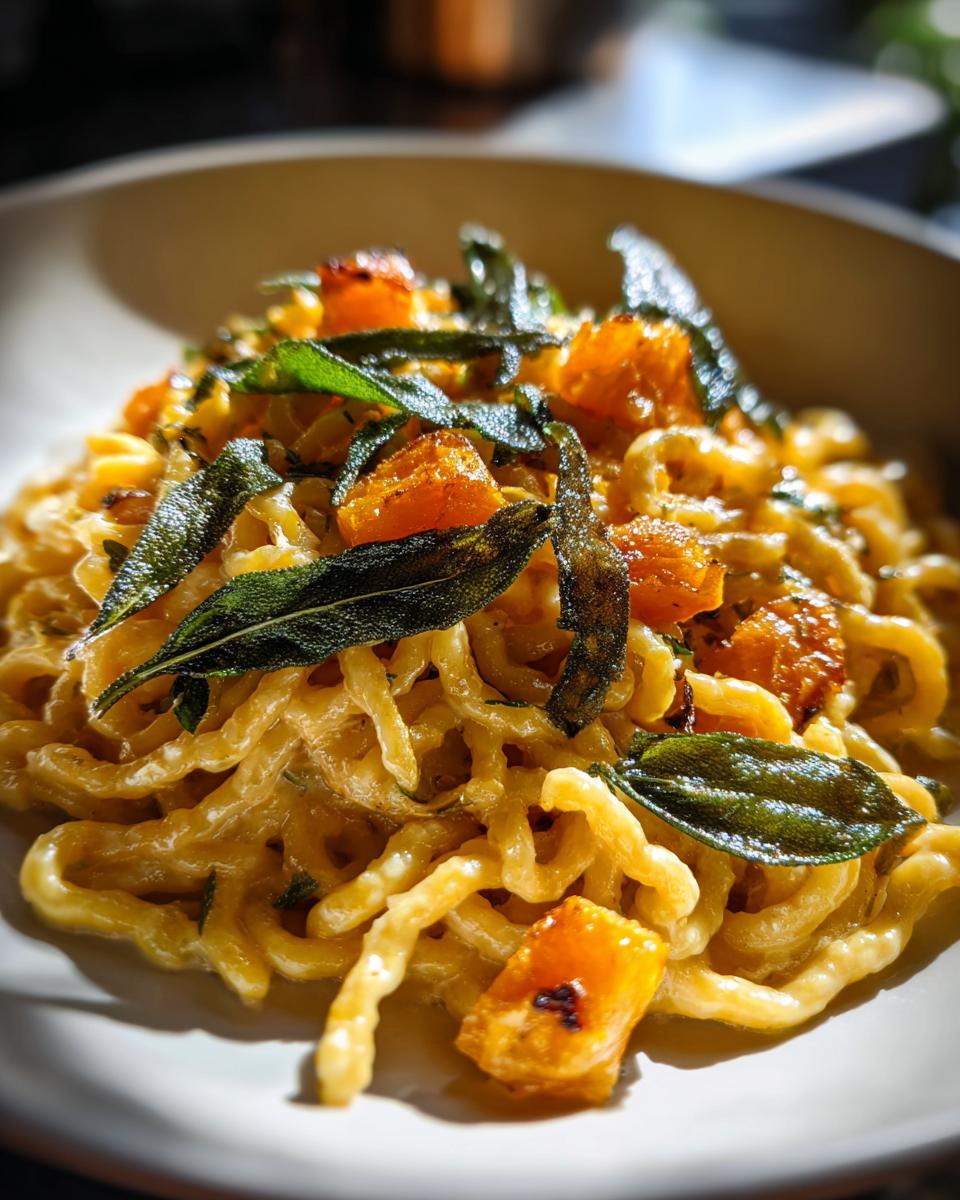
Alright, let’s get this deliciousness on the table! It’s actually way simpler than it looks, and watching it come together is half the fun. Just follow along, and you’ll have a gourmet meal in no time! If you love pasta dishes like Spicy Garlic Chicken and Broccoli Noodles or our Sticky Honey Garlic Sausage Pasta, you’re gonna go nuts for this one!
Roast the Butternut Squash
First things first, crank your oven up to 400°F (200°C). Grab your cubed butternut squash, toss it real good with that olive oil, salt, and pepper on a baking sheet. I like my squash tender but with just a hint of caramelization around the edges, so I roast it for about 20-25 minutes. You’ll know it’s ready when it’s fork-tender.
Prepare the Pasta and Crispy Sage
While that squash is doing its thing, get a big pot of salted water boiling for your pasta. Cook it up just like the package says – al dente is key! Before you drain it, make sure to scoop out about a cup of that starchy pasta water; it’s liquid gold for the sauce! Now, for the crispy sage: melt the butter in a large skillet over medium heat. Toss in the sage leaves and let them sizzle until they’re crisp and fragrant, about 1-2 minutes. Watch them carefully because they go from perfect to burnt in a second! Scoop those beauties out and set them aside on a paper towel.
Create the Creamy Butternut Squash Sauce
In that same skillet (no need to wash it!), toss in your minced garlic. Let it cook for just about 30 seconds until you can smell that amazing aroma – don’t let it brown! Pour in the heavy cream and let it come to a gentle simmer. Like our creamy tomato garlic pasta, a little simmer helps thicken things up beautifully. Now, add your roasted butternut squash, the grated Parmesan cheese, and that wonderful freshly grated nutmeg. Give it all a good stir until the cheese melts and the sauce starts to thicken up a bit. Taste it and add more salt and pepper if you think it needs it.
Combine Pasta and Sauce
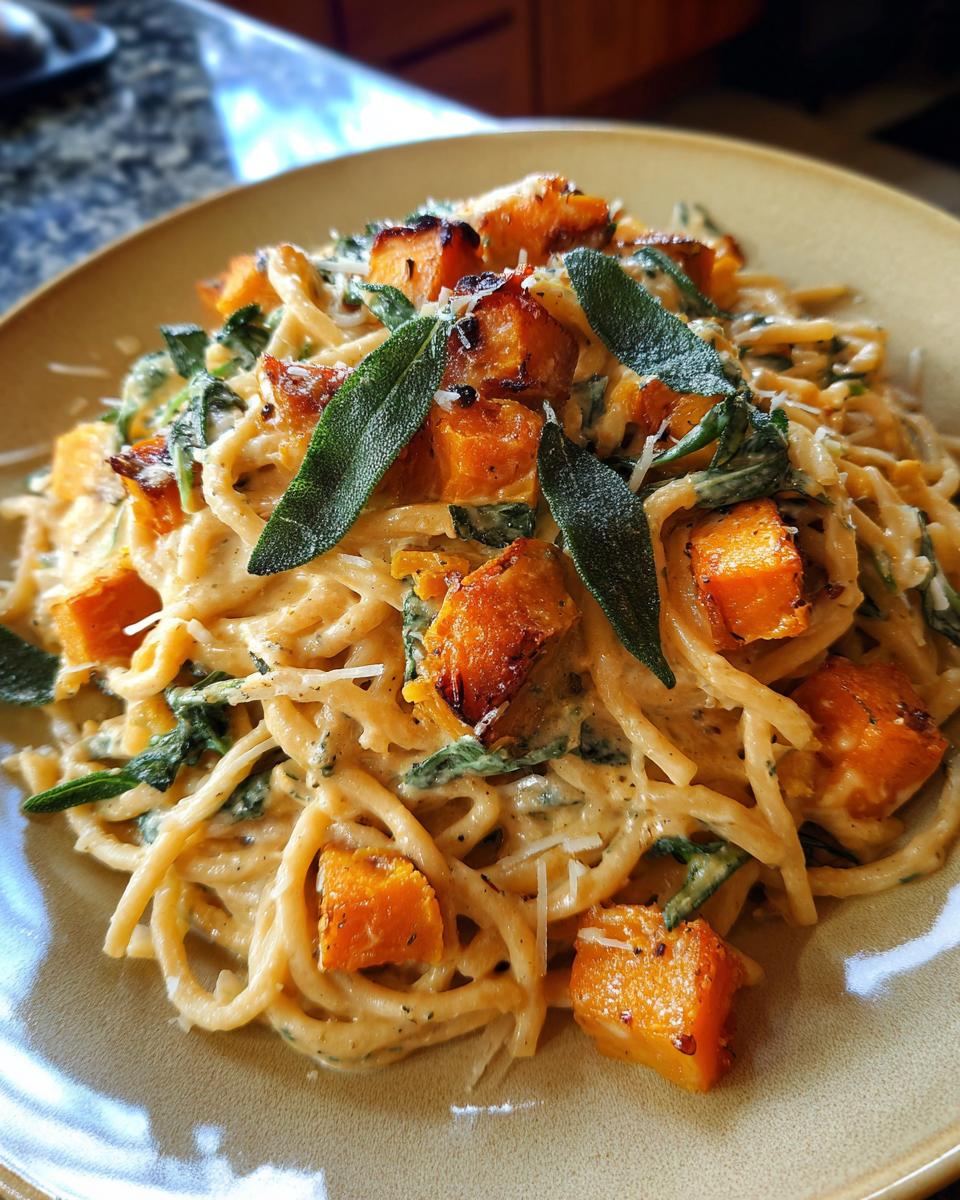
Drain that pasta and add it straight into the skillet with your gorgeous squash sauce. Toss everything together until the pasta is beautifully coated. If it feels a little too thick for your liking, just add a splash or two of that reserved pasta water until you reach that perfect, silky consistency. It really makes all the difference!
Serve Your Delicious Pasta
Dish it up right away! Pile that creamy, dreamy pasta high in bowls and sprinkle those magical crispy sage leaves all over the top. Seriously, it looks and smells incredible!
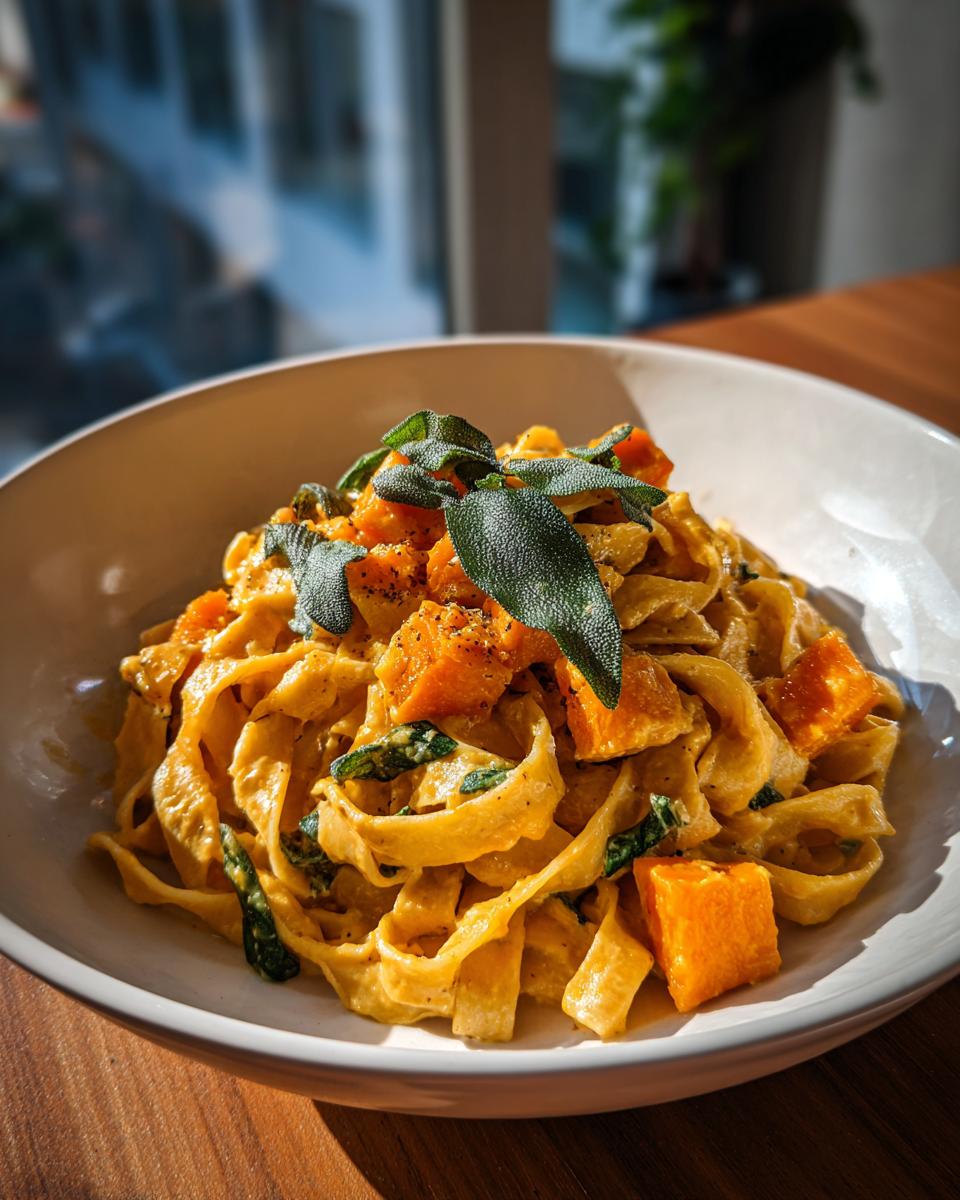
Tips for Perfect Butternut Squash Pasta
Okay, so you’ve got the recipe, but let’s talk about taking this Butternut Squash Pasta from pretty darn good to absolutely mind-blowing. A few little tricks can really make it shine! First off, don’t be afraid to really get your squash tender when you roast it. A little bit of caramelization on the edges is where so much of that sweet flavor comes from. And for the sage? Make sure your butter is hot but not smoking when you add the leaves – you want them to get crispy, not burnt to a crisp! If they look like they’re cooking too fast, just pull the pan off the heat for a sec. For the creamiest sauce, use good quality heavy cream; it really makes a difference in texture. And remember that starchy pasta water? It’s the secret to getting your sauce to cling perfectly to every single noodle. If you’re curious about doughs and baking, King Arthur Baking has some fantastic resources, and for general kitchen tips, The Kitchn is always a go-to for me!
Ingredient Notes and Substitutions for Pasta Recipes
Okay, let’s chat a bit more about these ingredients, because I truly believe they’re the stars of the show here. When it comes to the pasta itself, I really love using something sturdy like fettuccine or penne. They have enough surface area to really catch that gorgeous, creamy sauce and hold onto those little bits of squash. While you *could* use a thinner pasta, I find the heartier shapes just hold up better! And the butternut squash? Fresh is always best, of course! Peeling and cubing it can seem like a bit of a chore, but it’s totally worth it for that amazing flavor. If you’re short on time, you *can* sometimes find pre-cubed butternut squash in the produce section, but just give it a good rinse before you use it. For my dairy-free or vegan friends, don’t you worry! You can totally swap the butter for a good plant-based butter and the heavy cream for full-fat coconut milk (from a can, the thick part!) or a dairy-free creamer. Instead of Parmesan, a sprinkle of nutritional yeast gives you that cheesy, umami flavor. It’s all about making it work for YOU! And if you’re curious about other ways we’ve used simpler ingredients, check out my post on cottage cheese in recipes – it’s a game-changer!
Frequently Asked Questions About Butternut Squash Pasta
Got questions about making this glorious butternut squash pasta? I’ve got answers! Here are a few things people often ask:
Can I make this butternut squash pasta ahead of time?
You can definitely roast the butternut squash ahead of time, which will save you a good chunk of time. Just let it cool completely and store it in an airtight container in the fridge. You can also crisp up the sage leaves a few hours in advance. However, for the best creamy texture, I’d recommend cooking the pasta and making the sauce just before serving. Reheating might make the sauce a little less luscious.
What kind of pasta works best for this recipe?
I really love using a pasta shape that can hold onto that delicious sauce well. Fettuccine, penne, rigatoni, or even rotini are fantastic choices. Anything with a bit of texture or a curve to capture all that creamy goodness is perfect! Avoid anything *too* delicate, like angel hair, as it might get lost.
How do I store leftovers of this pasta?
If you happen to have any leftovers (which is rare in my house!), let the pasta cool down completely. Store it in an airtight container in the refrigerator for up to 3 days. When you’re ready to reheat, I find adding a little splash of milk or cream and gently warming it on the stovetop gives you the best results, bringing back some of that creamy texture.
Can I add protein to this butternut squash pasta?
Absolutely! This pasta is a great base for adding protein. Grilled chicken breast, pan-seared shrimp, or even some crispy pancetta or prosciutto would be absolutely delicious. Just cook your protein separately and toss it in when you’re combining the pasta and sauce, or sprinkle it on top!
Nutritional Information (Estimated)
Alright, let’s talk numbers! Keep in mind these are just estimates, you know? They can totally change based on the exact brands you use and if you add any extra goodies. But generally, a serving of this yummy butternut squash pasta is roughly around 500-600 calories, with about 25-30g of fat, 15-20g of protein, and 50-60g of carbs. It’s a hearty dish, perfect for a satisfying meal!
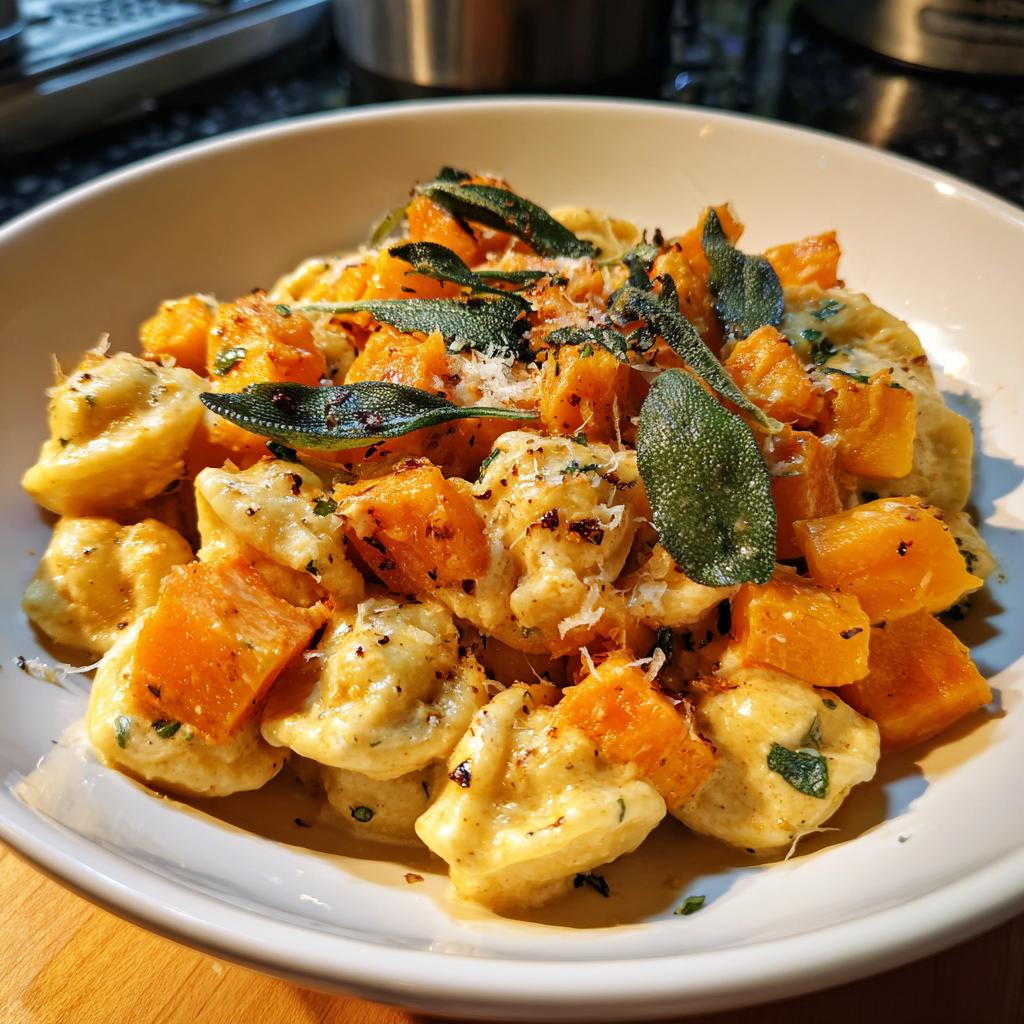
Butternut Squash Pasta With Crispy Sage
Ingredients
Equipment
Method
- Preheat your oven to 400°F (200°C). Toss the cubed butternut squash with olive oil, salt, and pepper on a baking sheet. Roast for 20-25 minutes, or until tender and lightly browned.
- While the squash is roasting, cook the pasta in a large pot of salted boiling water according to package directions. Reserve about 1 cup of the pasta water before draining.
- In a large skillet, melt the butter over medium heat. Add the sage leaves and cook until they become crispy, about 1-2 minutes. Remove the sage leaves from the skillet and set aside. Be careful not to burn them.
- Add the minced garlic to the same skillet and cook for about 30 seconds until fragrant. Pour in the heavy cream and bring to a simmer. Stir in the roasted butternut squash, Parmesan cheese, and nutmeg. Season with salt and pepper to taste.
- Add the drained pasta to the skillet with the sauce. Toss to combine. If the sauce seems too thick, add a little of the reserved pasta water until it reaches your desired consistency.
- Serve the pasta immediately, garnished with the crispy sage leaves.
Notes
Tried this recipe?
Let us know how it was!