
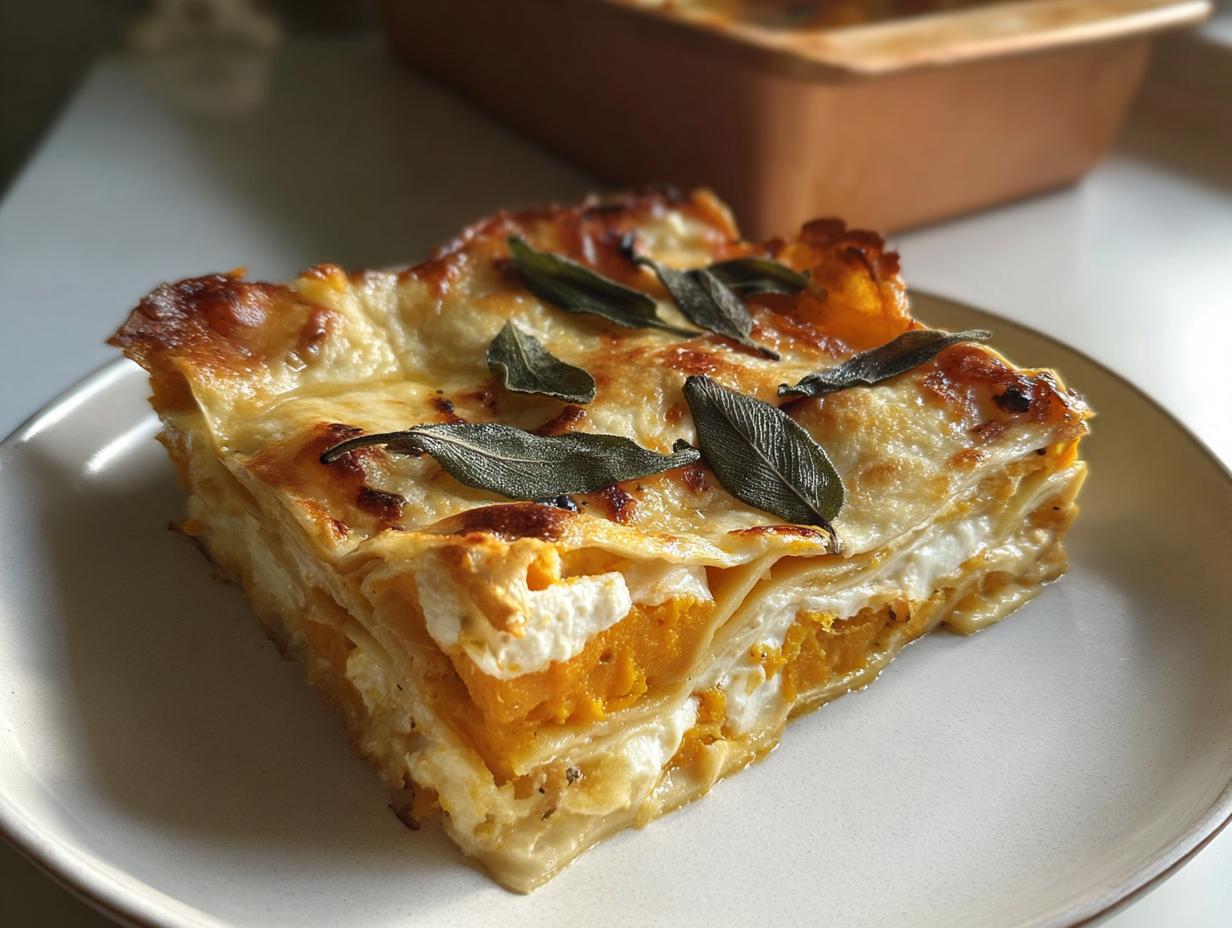
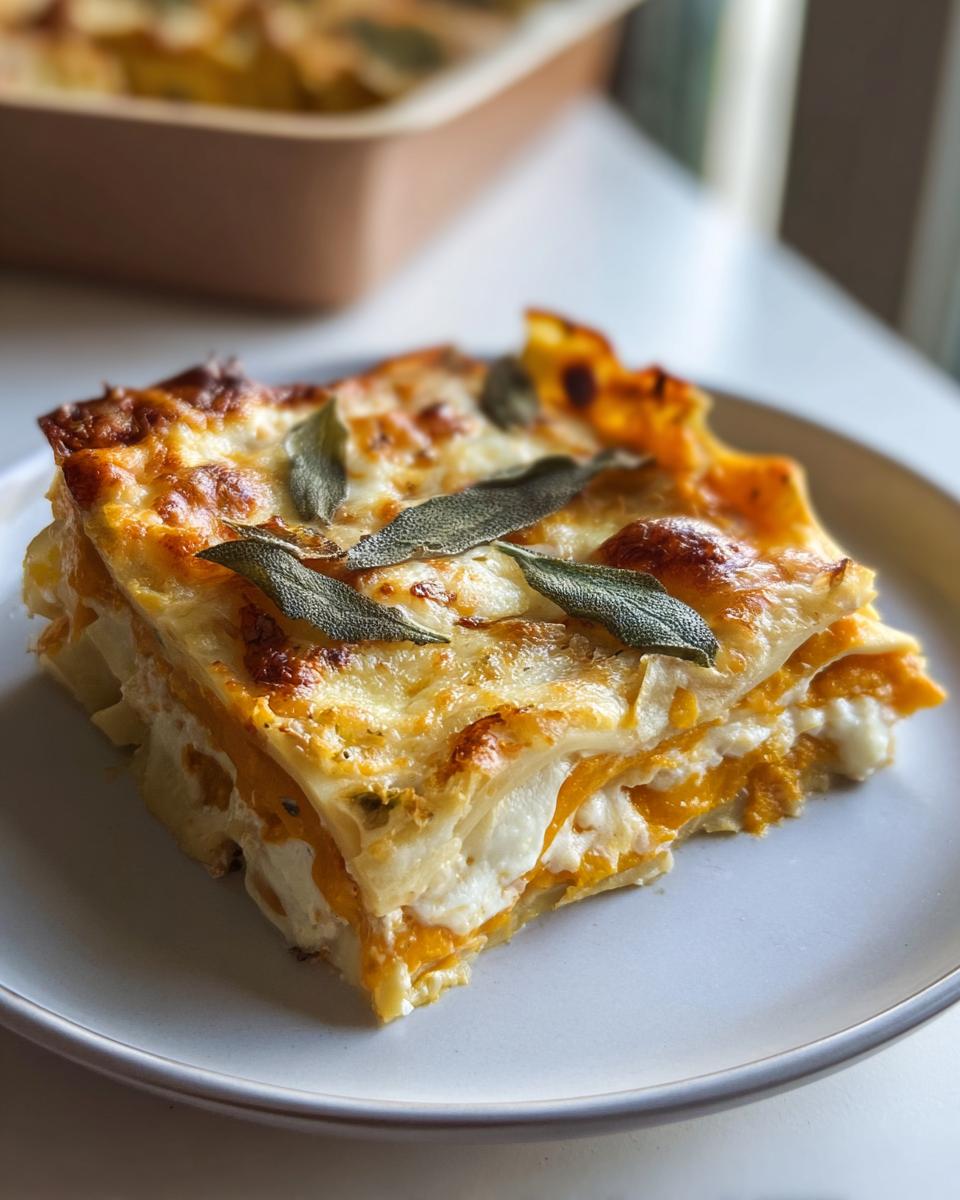
When the air gets crisp and the scent of woodsmoke starts drifting in, you just crave that deep, layered comfort food, right? Nothing hits the spot quite like digging into a steaming, decadent slice of homemade Butternut Squash and Sage Lasagna, especially when it’s built around that magic of browned butter béchamel. It’s rich, it’s seasonal, and honestly, it tastes like autumn tucked into a cheesy hug.
I still remember the first time I experimented with lasagna as a gluten-free chef. It was autumn, and the farmers’ market was bursting with vibrant butternut squash. Inspired by the gorgeous colors and sweet aroma, I decided to create a lasagna that embodied the essence of fall. As I layered the roasted squash with creamy béchamel and fragrant sage, my kitchen filled with warmth and a sense of comfort. When my family sat down to enjoy it, their smiles reminded me that food brings people together, and even without gluten, we can savor the flavors of tradition. Give this one a whirl—I think you’ll agree it’s special. If you’re looking for even more inspiration on this style of dish, check out this butternut squash lasagna recipe for another take!
By MARCO SANTOS Gluten-Free Chef & Latin Cuisine Innovation Specialist
Why You Will Love This Butternut Squash and Sage Lasagna
I know, another lasagna recipe, right? But trust me, this isn’t your standard weeknight pasta bake. This one is built for impressing company or just making a Tuesday feel incredibly special. It’s the kind of recipe that makes your whole house smell like Thanksgiving, even in October!
- The flavor trio is unbeatable: Sweet, earthy roasted butternut squash plays perfectly with the sharp, woodsy notes of fresh sage. It’s pure autumn magic in a bite.
- We’re skipping boring white sauce! The browned butter béchamel adds this incredible nutty depth that you just can’t get from regular butter. That’s the secret to a truly luxurious sage cream sauce.
- It’s hearty enough for company, but totally vegetarian, making it the perfect stunning centerpiece as a vegetarian holiday main. Everyone digs into this one!
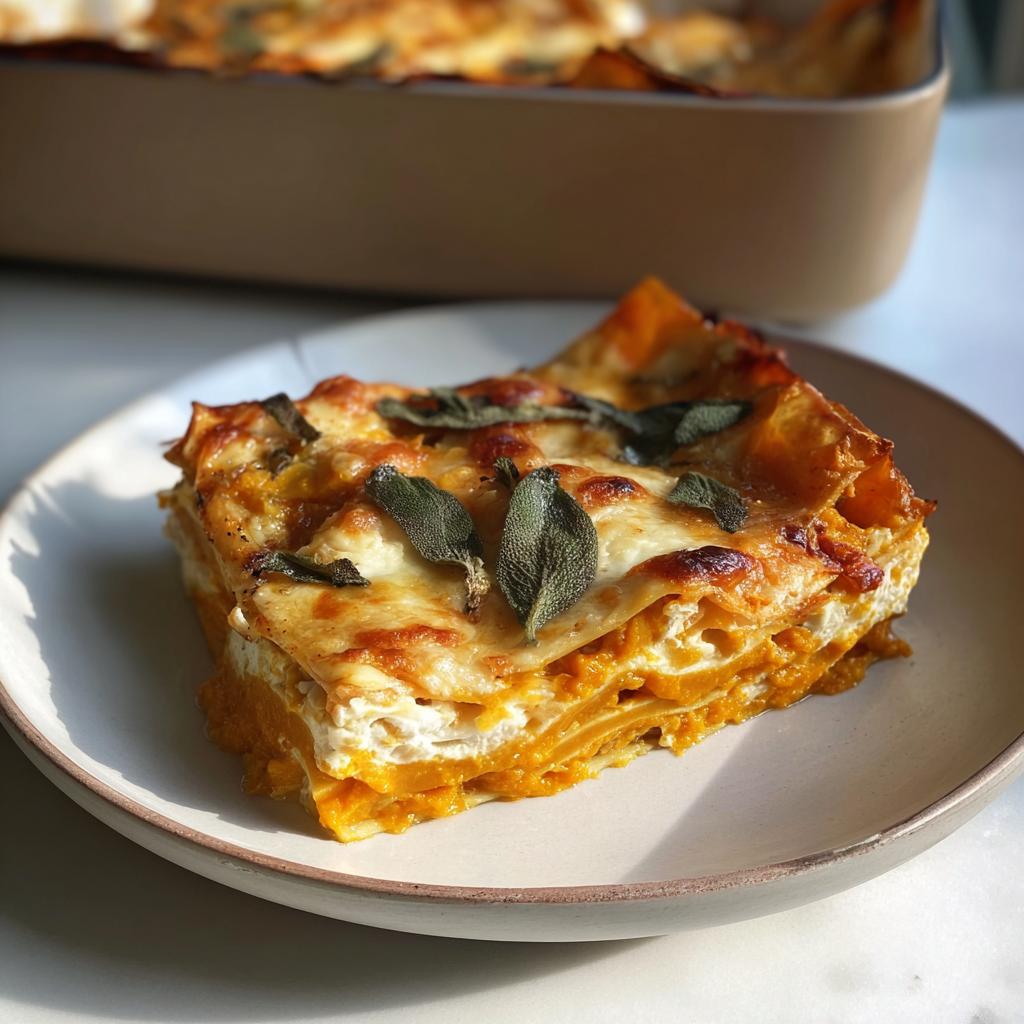
- The texture! It’s got layers of soft pasta, creamy puree, and that rich sauce. It melts in your mouth, honestly.
- It’s easy to assemble once your components are roasted. It mostly just layers! You spend the time roasting the squash, and the rest flows beautifully.
- Serving this makes you feel like you really tried, but it doesn’t require hours of active stirring once you get going.
Essential Ingredients for Butternut Squash and Sage Lasagna
Okay, this is where we start building history right here on the countertop! For a lasagna this comforting and special, you can’t just throw anything in the pot. I’ve laid it all out below, broken down by what part of the process it belongs to. This helps keep things organized when you’re working on three components at once. Pay close attention to the cheese notes—a fresh microplane Parmesan makes a huge difference in the final melt, trust me!
For the Butternut Squash Filling
This is the heart of the dish, and it needs a big, beautiful squash! Don’t skimp here; we need enough puree to layer everything properly.
- 1 large butternut squash (about 3 lb) — This needs to be heavy!
- 1 whole head garlic — Yes, the whole thing. Roasting makes it sweet.
- Olive oil — Just a drizzle for roasting everything up.
- Kosher salt — For seasoning while roasting.
For the Browned Butter Béchamel
This is our incredible sage cream sauce base! Browning the butter is key before we start making the roux. That nutty flavor is what elevates this dish above any other butternut squash pasta casserole.
- 6 Tbsp unsalted butter — This is the amount we brown until glorious!
- 1/3 cup flour — All-purpose is fine for thickening.
- 2 1/2 cups whole milk — Use whole milk; it makes the sauce richer.
- 1 pinch nutmeg — A tiny bit is all you need to warm up the sauce.
- 1 1/4 tsp Kosher salt — To season the sauce perfectly.
For Assembly
We need the tools for layering and the finishing touches that make the top layer shimmer.
- 1 lb pasta (fresh or dried) — Remember, if you use dried noodles that aren’t oven-ready, you must give them a quick boil first!
- 16 oz mozzarella cheese — Don’t forget to grate this yourself; pre-shredded stuff doesn’t melt right.
- 2 cups Parmesan Cheese — You absolutely want this grated using a microplane for that fine, fluffy texture that disappears into the cheese topping.
- 2 Tbsp unsalted butter — This is just for frying the sage garnish later.
- 1 bunch sage — Leaves removed from the stems; these will get crispy and fragrant!
Expert Tips for Perfect Butternut Squash and Sage Lasagna
Look, this isn’t hard, but there are three little secrets that take this layered beauty from “good” to “I need the recipe card right now.” If you treat these steps with a little respect, you won’t have any issues, especially with the tricky béchamel sauce. It’s all about managing your heat and timing your roast!
First off, don’t rush the roast! When you chop that squash and your garlic head, give them plenty of room on that sheet tray. We want them to roast, not steam. That means high heat—400 degrees F is right—and making sure the garlic gets super golden brown before you squeeze it out. That caramelized sweetness from the roasted garlic is what makes the puree taste complex and not just sweet.
Next up, let’s talk about that browned butter béchamel. This is the heart of your butternut squash pasta dish, and you absolutely cannot walk away from it. You’re looking for the milk solids to toast until they smell nutty—that’s the browning happening. Once you add the flour, cook it out for a full minute. Then, when you stream in the milk, do it slowly! Whisk like your arm depends on it until it’s smooth. If it looks lumpy at first, don’t panic; keep the whisk moving constantly as it heats up, and those lumps usually disappear as it thickens.
My final non-negotiable tip involves the pasta, especially if you’re using dried stuff. If you skip the par-cooking step for regular dried noodles, your lasagna will drink all the moisture from your béchamel during baking and end up tough. If you’re using oven-ready, great! But if it’s the classic kind? A quick 5-minute boil until it’s barely flexible is all it needs. It will finish cooking perfectly in the oven while soaking up those amazing flavors.
Step-by-Step Instructions for Butternut Squash and Sage Lasagna
Alright, let’s put this beautiful **Butternut Squash and Sage Lasagna** together! I like to break this down into three little missions: the roast, the sauce, and the build. If you get the first two parts perfect, the assembly part is practically playing LEGOs. You want to make sure your oven is heating up to 400 degrees F before you even start touching the squash! Once you see how the layers come together, you’ll get why this is my go-to comfort food; I’ve even got more inspiration for layering techniques over in my recipes section if you want to explore!
Roasting the Squash and Garlic
First mission: get that squash soft and sweet. Slice that big butternut squash right down the middle, cut-side up on your sheet tray, and give that flesh a good rub down with some olive oil and salt. Now for the garlic—cut off just the very top tip so the cloves peek out. Give that top a tiny drizzle of oil and wrap the whole head up tightly in foil like a little present. Back to the squash: you’re roasting both at 400 degrees F for about 40 to 45 minutes. How do you know it’s done? Super simple: take a little paring knife, and when it slides into the thickest part of the squash like it’s going into soft butter, you’re golden. The garlic should look soft and wonderfully golden brown when you pull it out.
Creating the Butternut Squash Puree
Once everything cools just enough so you don’t burn your fingers (about 15 minutes), scoop out those amazing soft squash insides right into your blender. Discard the seeds! Next, squeeze those sweet roasted garlic cloves right out of their paper casings and drop them in too. Add about 1.5 teaspoons of salt and maybe half a cup of water to get things moving. Blend it up until it’s totally smooth and spreadable. If it seems too thick to spread easily, add a splash more water until you get that perfect consistency. Set that beautiful puree aside; we won’t need the blender again unless you want to try making a quick sauce for pasta later!
Making the Browned Butter Béchamel (Sage Cream Sauce)
This step is what makes our **sage cream sauce** taste like a million bucks! Grab a saucepan over medium heat. You’re melting the 6 tablespoons of butter until it smells nutty—watch carefully! Once it’s browned, drop the heat to low, dump in your flour, and stir it constantly for 1 full minute to cook out that raw taste. Now, stream in the milk slowly while you whisk like crazy to smash any clumps. Keep that heat on medium and let it simmer for another couple of minutes until it thickens enough to coat the back of your spoon. Finish it off with that pinch of nutmeg and the salt, turn off the heat, and you’re winning!
Assembling and Baking the Butternut Squash and Sage Lasagna
Time to build! Fire up the oven again, but this time down to 350 degrees F because we’re baking slower now. Spread a whisper-thin layer of that squash puree on the bottom of your 9×13 pan—this stops the noodles from sticking like glue. Now we layer! Start with noodles, then 1/3 of the squash puree, then 1/4 of the béchamel, and sprinkle on 1/4 of the mozzarella and 1/4 of that finely grated Parmesan. Repeat that whole sequence two more times. For the very top, you need the last bits of noodles, the remaining 1/4 of the béchamel, and the rest of your cheeses. Bake this gorgeous thing for 45 minutes up to an hour, or until it’s bubbly all over and nicely browned on top!
Finishing with Crispy Sage
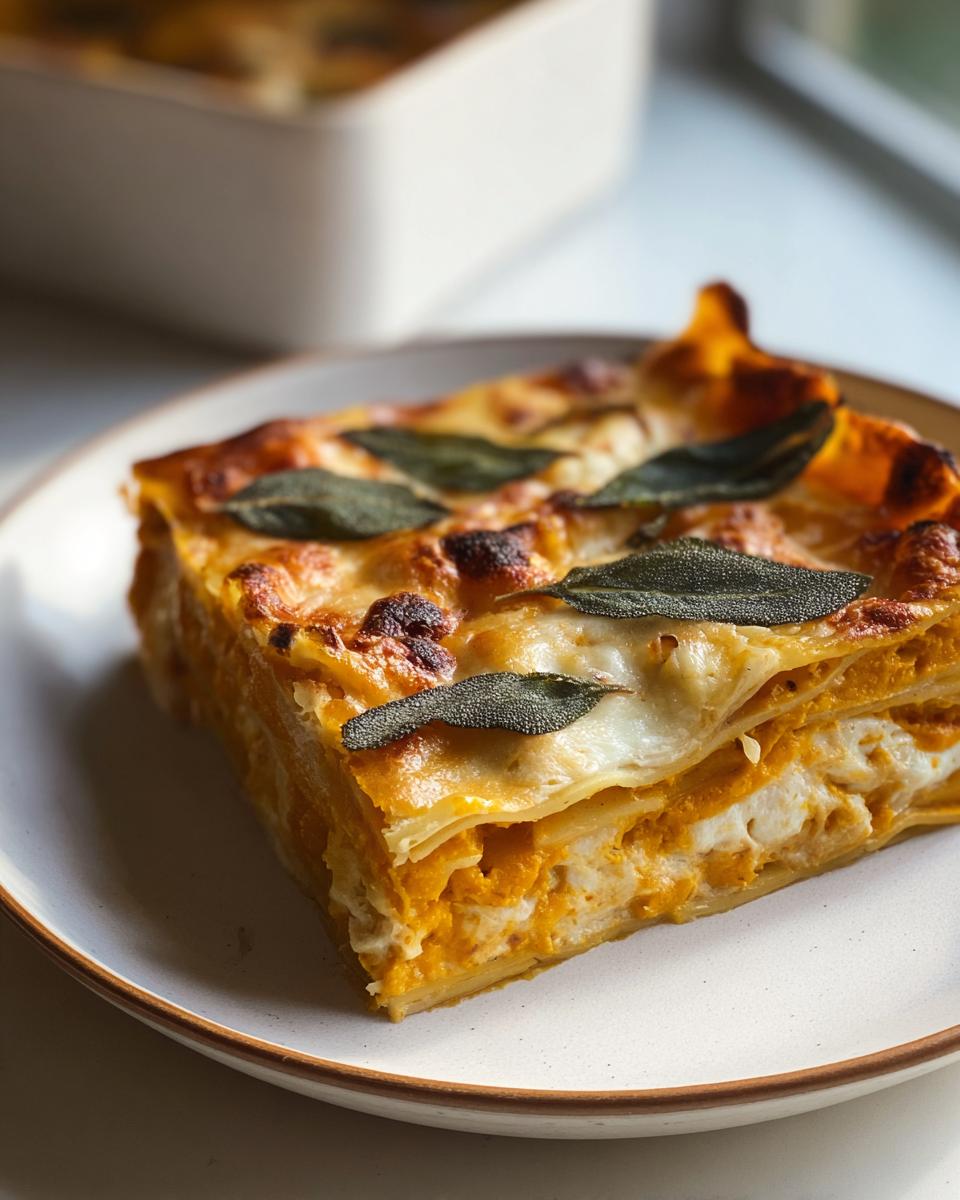
This is my favorite part because it smells incredible! While the lasagna is doing its thing in the oven, melt those last 2 tablespoons of butter in a skillet over medium heat. Toss in all those fresh sage leaves you stripped off the stems. They only need a minute or two per side; they’ll crisp up fast! Scoop them out onto a paper towel. Once the lasagna is done its baking time, scatter those crunchy, fragrant sage leaves right over the top. It adds the perfect crunch and amazing aroma to your incredible **fall lasagna recipe**.
Ingredient Substitutions for This Fall Lasagna Recipe
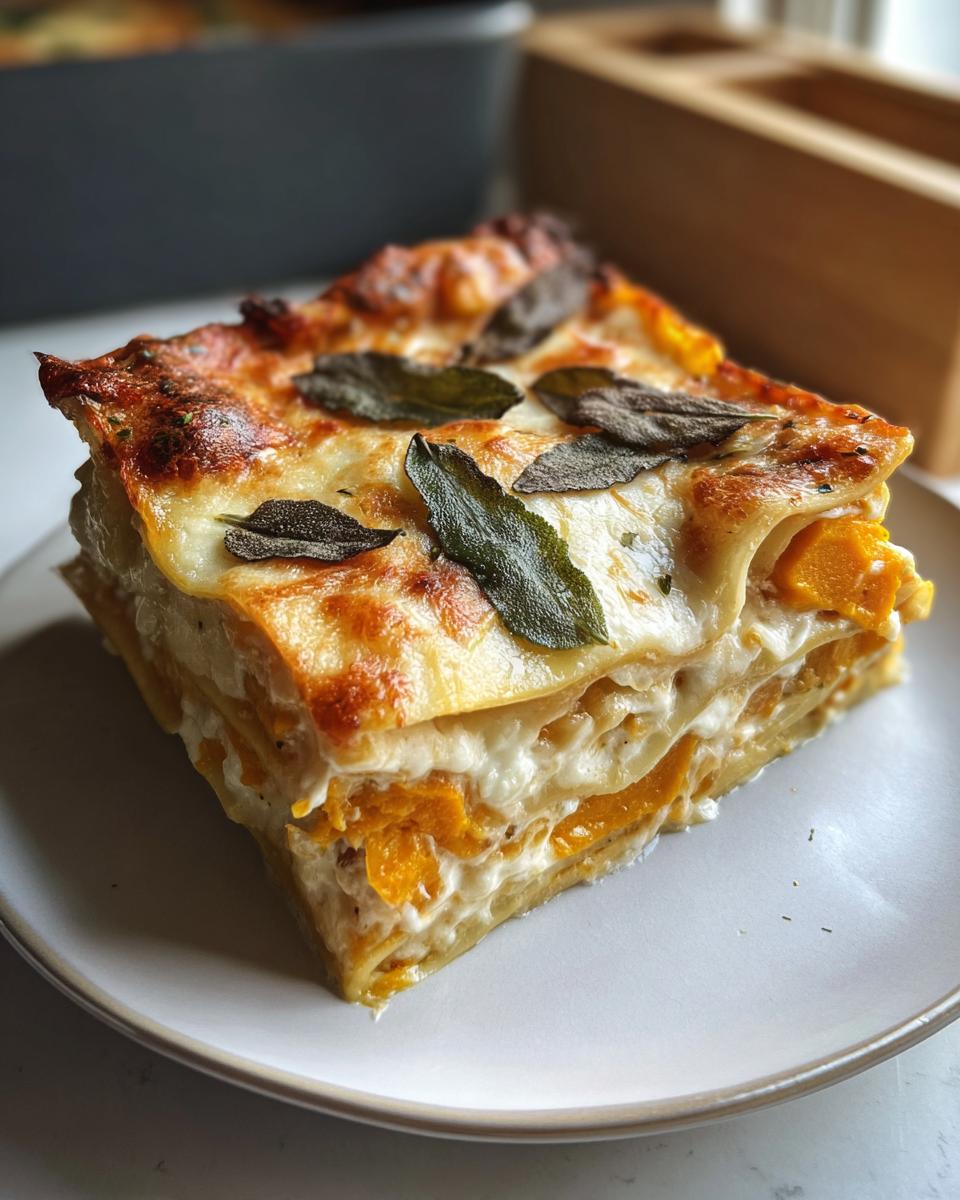
I always tell people that great cooking isn’t about rigid rules; it’s about knowing how to flex when you need to! Maybe you’re out of fresh sage, or maybe you need to tweak this **Butternut Squash and Sage Lasagna** for dietary reasons. Don’t sweat it! Since this recipe is already naturally built to be a vegetarian holiday main, most swaps are easy flavor adjustments rather than major structural changes. If you want some ideas on pairing vegetables, you should check out how I handle other sides, like this roasted asparagus; it gives you an idea of what complements squash well.
Let’s talk about those fresh herbs first. Sage is the star, but if you’re having a herb emergency, you can swap it out for something equally woodsy. I love pairing butternut squash with fresh rosemary. You won’t use quite as much—maybe half the amount you would use for sage—because rosemary is potent! Thyme works beautifully too, or you could even mix a little dried marjoram in with the puree if you have nothing fresh on hand. Just remember, dried herbs need less volume!
What about the dairy situation? Even though this is a vegetarian recipe, I know some folks avoid cow’s milk or specific cheeses. For the béchamel, if you need to avoid butter or milk, you can attempt an olive oil-based roux, but you really lose that incredible richness we worked so hard to develop in the browned butter! For the milk, unsweetened oat milk or soy milk usually offers the best neutral replacement in a sauce like this, though the flavor might shift slightly. As for the grated cheese topping, if you need a dairy-free option, there are some shockingly good plant-based Parmesan alternatives out there now that melt surprisingly well. Test a small amount first, though!
And finally, the pasta! We talked about this in the tips, but it bears repeating because it affects texture so much. If you can’t find oven-ready noodles, using fresh pasta sheets is the next best thing because they cook so beautifully and evenly. If you’re stuck with standard dried noodles, just give them a good 5-minute boil before assembling. They should still be quite firm when you pull them out. Don’t substitute the structure of the pasta in a casserole like this—it’s what holds our layers together!
Storage and Reheating Instructions for Butternut Squash and Sage Lasagna
The best part about making a big, beautiful dish like this **Butternut Squash and Sage Lasagna** is knowing you have leftovers for lunch! Honestly, I think it tastes even better the next day once all those flavors have had a full night to mingle and deepen. It’s totally the star when it comes to planning for next week’s meals, just like how I love making big batches of casseroles you can prep ahead. If you’re looking for other make-ahead comfort meals, I have a little trick for a make-ahead strata that you might want to peek at later to keep your schedule clear!
You’ve got to store it properly to keep that creamy texture. Once the lasagna has cooled down a bit after you take it out of the oven—don’t leave it sitting on the counter for hours, though!—cover the whole pan tightly with plastic wrap, and then maybe another layer of foil over that. This double wrap prevents the top from getting that weird, dry texture in the fridge. It’ll keep happily in the refrigerator for about three to four days.
Now, when it’s time to reheat, you have choices depending on if you’re eating one slice or the whole tray. If you’re warming up a big section or the whole dish, the oven is always the winner for texture. Pop it back into a 350-degree oven, covered, for about 20 to 30 minutes. After that, take the cover off for the last 10 minutes so the cheese gets a little fresh color and warmth back on top. It really mimics that fresh-baked result!
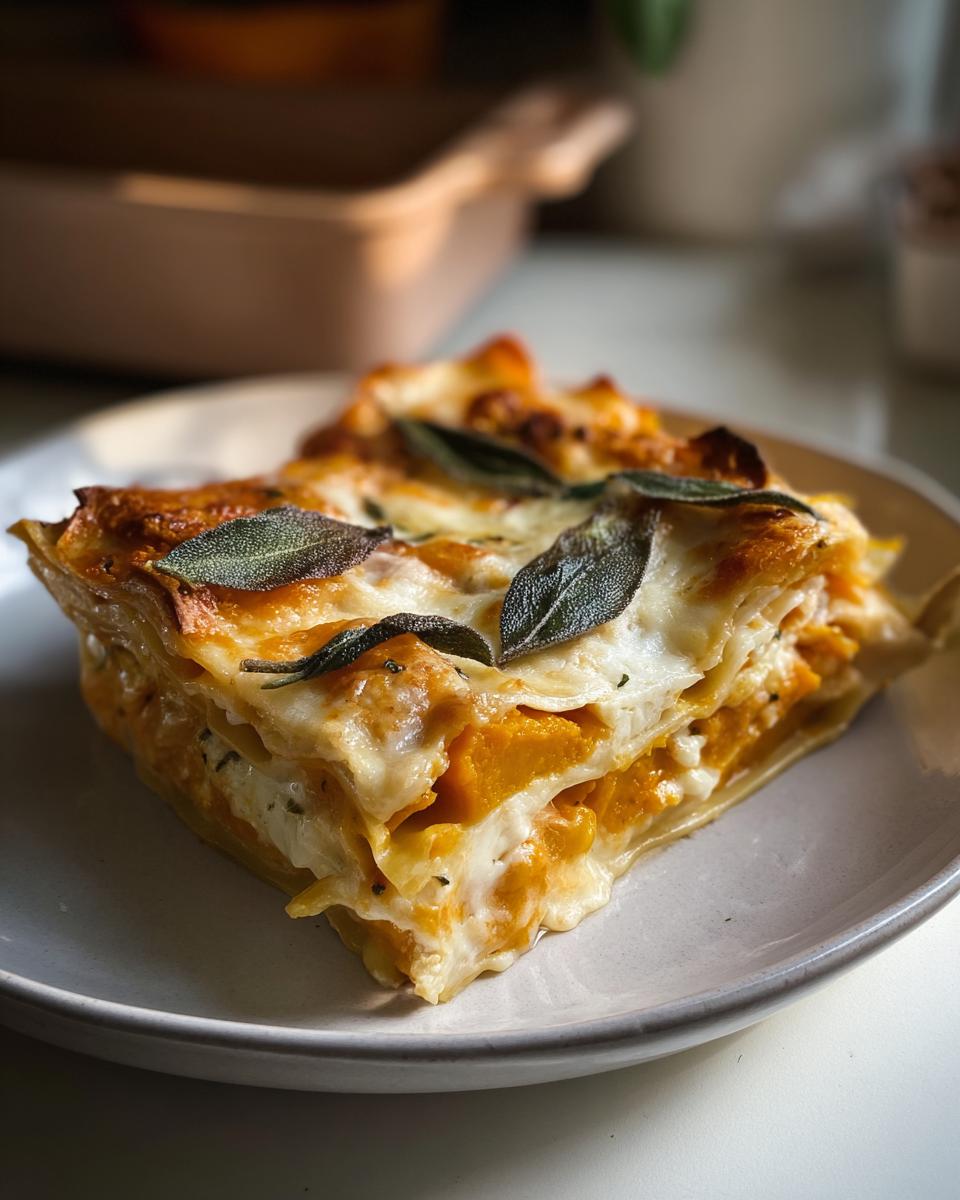
If you are just snatching a single piece for a quick office lunch, the microwave is fine, but watch it closely. Microwave it in short bursts—say, 60 seconds at a time—stirring the soft parts in the middle if you can, until it’s heated through. Be careful not to overheat it, or the béchamel gets a little rubbery. Trust me on this one; slow and steady keeps the creamy sauce tasting just as good as when it first came out of the oven!
Frequently Asked Questions About Butternut Squash Pasta
I totally get it. When you see a recipe that has multiple components, you need reassurance about the timing and the effort! This **Butternut Squash and Sage Lasagna** is a labor of love, sure, but it’s totally manageable, especially if you break down the time commitment. Before you dive into the oven for the next recipe, let’s clear up a few common questions readers have about making this amazing **fall lasagna recipe**.
Can I make this Butternut Squash and Sage Lasagna ahead of time?
Oh, absolutely! This is one of my favorite tricks for holiday cooking. You can do all the hard work—roasting the squash, blending the puree, and even making that gorgeous browned butter béchamel—a day or two ahead of time. Store those components separately in airtight containers in the fridge. When you’re ready to serve, just assemble the entire lasagna layers just like the instructions say (noodles, filling, sauce, cheese, repeat!). You just need to make sure you give it an extra 10 to 15 minutes of baking time since you are starting with cold layers. If you assemble it, you can even let it sit covered in the fridge overnight before baking it the next day. Doesn’t that sound easy?
What makes this a great vegetarian holiday main?
It’s all about feeling substantial, rich, and deeply seasonal without needing any meat! This lasagna is fantastic for a **vegetarian holiday main** because it brings all those autumnal flavors—sweet squash, warming sauce, earthy sage—to the table in a crowd-pleasing format. Lasagna, in general, looks impressive when you slice into it, and the golden cheese and green sage topping make it way more festive than a simple stew or casserole. Plus, because the squash is pureed into the sauce, it’s hearty enough that even your meat-and-potatoes uncle will be asking for seconds!
How long does the total time really take for this fall lasagna recipe?
When you look at the recipe card, the numbers can look a little intimidating—135 minutes total! But we have to look at where that time is actually spent. The active prep time is really only about 30 minutes—that’s cutting the squash, wrapping the garlic, mixing the roux. The bulk of the time (105 minutes) is hands-off baking and roasting time! You’ll spend maybe 45 minutes roasting the squash at 400 degrees, and then about an hour baking the final lasagna at 350 degrees. If you batch-cook your puree and sauce, the day you serve it is super quick, making it much less stressful than trying to manage everything live. You can find more ideas on managing your workflow over on my site’s healthy dinner inspiration page!
Serving Suggestions for Your Butternut Squash and Sage Lasagna
Honestly, this **Butternut Squash and Sage Lasagna** is so rich and creamy, it practically begs for something bright and crisp on the side to cut through all that cheesy goodness. When you’re serving up this incredible vegetarian holiday main, you don’t want another heavy starch. We need contrast!
I usually keep my sides super simple because the lasagna is the superstar of the plate. A light green salad is my absolute favorite accompaniment. Forget dressing it with anything heavy. A simple vinaigrette—maybe one made with sherry vinegar, a touch of Dijon, salt, and great quality olive oil—is all you need. It wakes up all those earthy squash flavors.
If you want something with a little more punch, think about something with bitterness! Arugula tossed with lemon juice is fantastic, or even roasted Brussels sprouts that have been charred slightly. The slight bitterness of the greens balances the sweetness of the squash puree perfectly.
Sometimes, when I want to bring in another seasonal element without adding too much work, I whip up a batch of quick greens. You remember how I love simple preparations, right? For example, if you need a green idea that’s healthy but satisfying, check out my lentil stew with wilted spinach recipe; you can simplify that down to just the spinach and garlic element for a perfect side!
No complicated sauces or heavy bread needed here; just let that gorgeous lasagna shine!
Nutritional Estimate for This Recipe
Now, let’s talk about enjoying this masterpiece without feeling guilty! Because we are using whole ingredients like squash and a creamy, flour-thickened sauce, this Butternut Squash and Sage Lasagna is definitely on the decadent side. It’s meant to be satisfying! Think of this as your cozy indulgence, perfect for a weekend dinner or a special gathering.
Keep in mind that these numbers are just estimates, okay? Total weight of the squash, how much milk you use, and whether you splurge on extra Parmesan will change things slightly. But for a general idea, here’s what you can expect when you divide this recipe into 8 generous servings:
- Calories: Around 480-520 kcal per serving
- Total Fat: Roughly 25-28g (That browned butter loves to bulk things up!)
- Protein: Around 20-22g (Thanks to all that cheese, we get a nice protein punch!)
- Carbohydrates: Approximately 45-50g (Mostly coming from the pasta and the natural sugars in the squash)
This is what makes it such a fantastic vegetarian holiday main—it offers satiety and rich flavor. It’s not exactly a light lunch, but for a satisfying dinner that packs in vegetables, it’s wonderful! Just remember, these figures are a guideline. If you swap whole milk for 2% or go lighter on the cheese layer, those numbers will shift down quite a bit!
Share Your Butternut Squash and Sage Lasagna Experience
Now that you’ve roasted, browned, whisked, and layered until your kitchen smells like the best part of autumn, I would absolutely love to hear how it went!
Making an amazing Butternut Squash and Sage Lasagna is a journey, and I genuinely want to know what magic you created. Did you nail that nutty flavor in the béchamel on the first try? Did the crispy sage stand up nicely when you sliced into it? These are the details that make cooking fun, so please don’t be shy!
If you made this recipe, please take a quick second to leave your rating below. Five stars means I get to keep dreaming up more comforting dishes like this for you, but I value your honesty no matter what! Seeing your creations honestly makes my day.
And if you snapped a picture of your beautiful, cheesy slice—especially if you paired it with a bright salad—please upload it or tag me on social media! You can always reach out directly to me with questions, feedback, or just to tell me how much your family loved this butternut squash pasta over at my contact page! Happy cooking, friends!
Butternut Squash and Sage Lasagna
Ingredients
Equipment
Method
- Pre-heat your oven to 400 degrees F.
- Cut the butternut squash in half lengthwise and place it on a sheet tray. Drizzle the flesh side with olive oil and a pinch of kosher salt, rubbing to distribute the seasoning.
- Cut about 1/4 to 1/2 of an inch from the top of the head of garlic, exposing the cloves. Drizzle with olive oil, sprinkle with salt, and wrap the head tightly in aluminum foil. Place the garlic on the baking sheet with the squash.
- Bake for 40 to 45 minutes, or until the squash flesh is tender and the garlic is soft and golden brown. The squash is done when a paring knife inserts easily into the thickest part.
- Let the squash cool for 15 to 20 minutes. Scoop out the seeds from the center of the squash.
- Scoop the cooked squash flesh into a blender. Squeeze the roasted garlic cloves from their skins and add them to the blender. Add 1.5 teaspoons of Kosher salt and about 1/2 cup of water. Blend until the mixture is smooth and spreadable, adding more water if needed to reach that consistency. Set this mixture aside.
- Brown the butter in a saucepan over medium heat.
- Add the flour to the browned butter and cook for 1 minute over low heat to remove the raw flour taste.
- Slowly stream in the milk while whisking constantly to prevent lumps. The mixture will thicken initially but thin out once all the milk is incorporated.
- Bring the mixture to a simmer over medium heat. Once simmering, cook for another 2 minutes while whisking until the béchamel has thickened substantially and coats the back of a spoon. Finish with a pinch of nutmeg. Turn off the heat and set aside.
- Pre-heat your oven to 350 degrees F.
- Spread a thin layer of the butternut squash mixture on the bottom of a 9×13 inch baking pan to coat the bottom.
- Layer the lasagna: top the squash with one layer of noodles, 1/3 of the remaining squash mixture, 1/4 of the béchamel, 1/4 of the mozzarella, and 1/4 of the Parmesan. Repeat this layering sequence two more times (noodles, squash, béchamel, cheeses).
- Top the final layer with the last layer of noodles, the remaining 1/4 of the béchamel, and the last 1/4 of each cheese.
- Bake for 45 minutes to 1 hour, or until the lasagna is bubbling and golden brown on top.
- While the lasagna bakes, heat the 2 tablespoons of butter in a large skillet and add the sage leaves. Fry the leaves on both sides until they become crispy.
- Finish the baked lasagna by scattering the crispy sage leaves over the top. Serve immediately.
Notes
Tried this recipe?
Let us know how it was!
Gluten-Free Chef & Latin Cuisine Innovation Specialist
My youngest son’s celiac diagnosis at four changed everything. Suddenly, all those traditional Brazilian and Portuguese recipes from my avó needed to be completely reimagined without losing their soul.
After graduating from Johnson & Wales and working Miami’s Latin fusion scene, my son’s diagnosis became my calling. How do you make gluten-free empanadas that taste like childhood? Over eight years, I’ve developed 320+ gluten-free recipes celebrating authentic Latin flavors using cassava flour and plantain alternatives.
My gluten-free empanada recipe won “Best Appetizer” at the 2023 Miami Gluten-Free Food Festival. I ran “Sabores Sin Gluten,” a catering business serving Miami’s Latino community—quinceañeras, family gatherings, all the celebrations that matter.
Food is culture, and everyone deserves to experience the joy of sharing traditional family meals, regardless of dietary restrictions.