
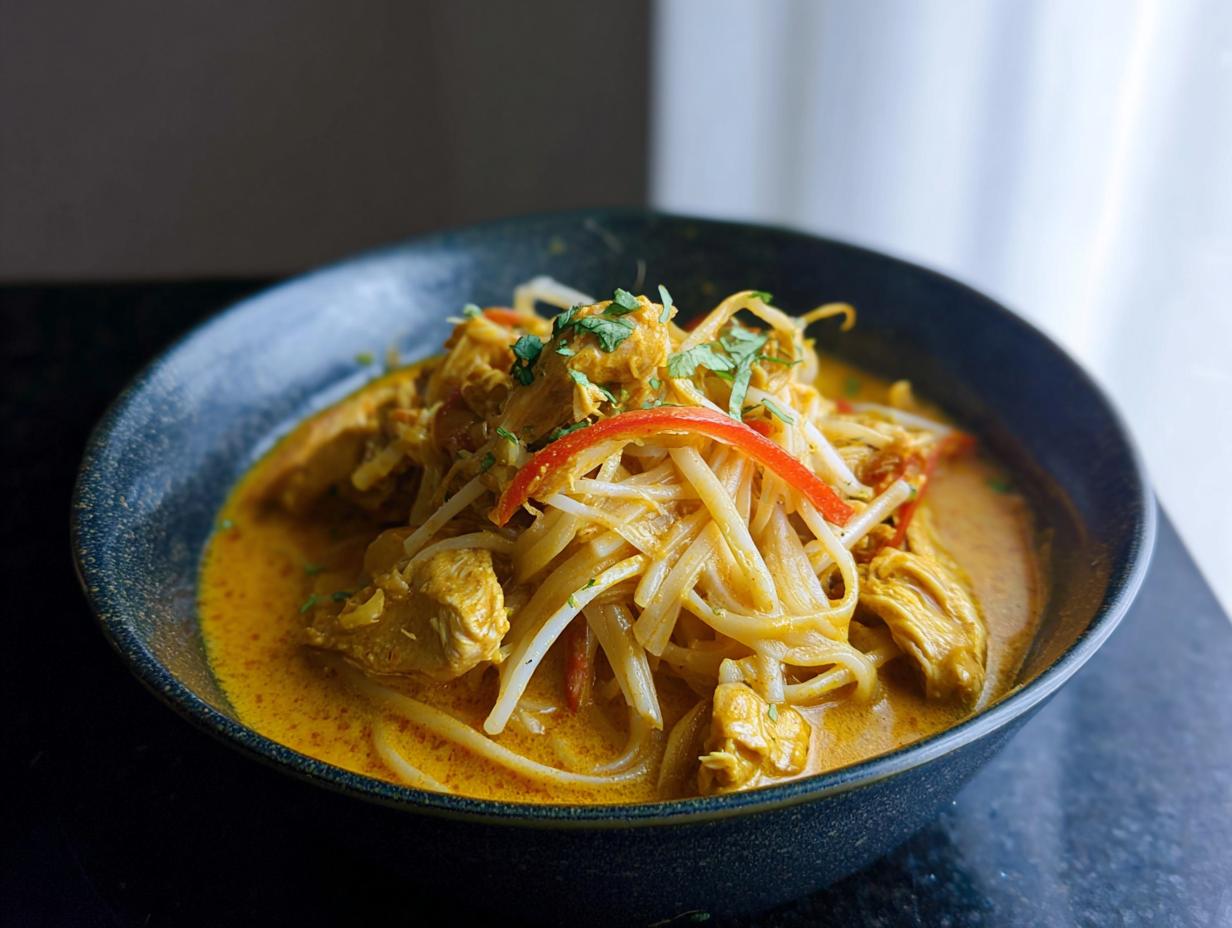
When the evening feels long and everyone needs a hug in a bowl, forget searching endlessly through takeout menus. We’re diving into true comfort food adventure tonight with my absolute favorite, incredibly quick Spicy Thai Coconut Curry Noodle Soup. Seriously, this recipe—which I developed while mastering family meal planning and gluten-free nutrition—is a lifesaver because it’s fast, hugely flavorful, and secretly gluten-free adaptable!
I vividly remember the first time I made this exact soup for my daughter. She wasn’t feeling great that day, and I desperately wanted something comforting yet bursting with exciting flavor to cheer her up. As the most amazing smells of creamy coconut milk and warm spices drifted through the kitchen, I could just see the anticipation building on her little face. When she finally took that first cautious sip? Wow! Her eyes lit right up, and in that little moment, I knew I had created something truly special. That soup quickly became a staple; it always reminds us that just a simple batch of noodles and broth can bring warmth, comfort, and a little splash of adventure right to our own dinner table.
Why This Spicy Thai Coconut Curry Noodle Soup is a Family Favorite
We all have those nights, right? You look at the clock and think, ‘What am I even going to feed them?’ That’s why this thai curry soup is my go-to. It ticks every single box for a busy family dinner while still feeling super special—not like something dumped out of a box!
Honestly, what I love most is how quickly we can sit down together:
- It’s lightning fast! Prep time is only 15 minutes, and we’re eating in under 35 total.
- It’s a flavor adventure without needing a passport. My kids love tasting those complex global flavors.
- It’s one of the easiest noodle soup recipes to make gluten-free—just swap the noodles!
This is comfort food that tastes exciting. Trust me, you won’t feel like you skimped on flavor just because you saved time!
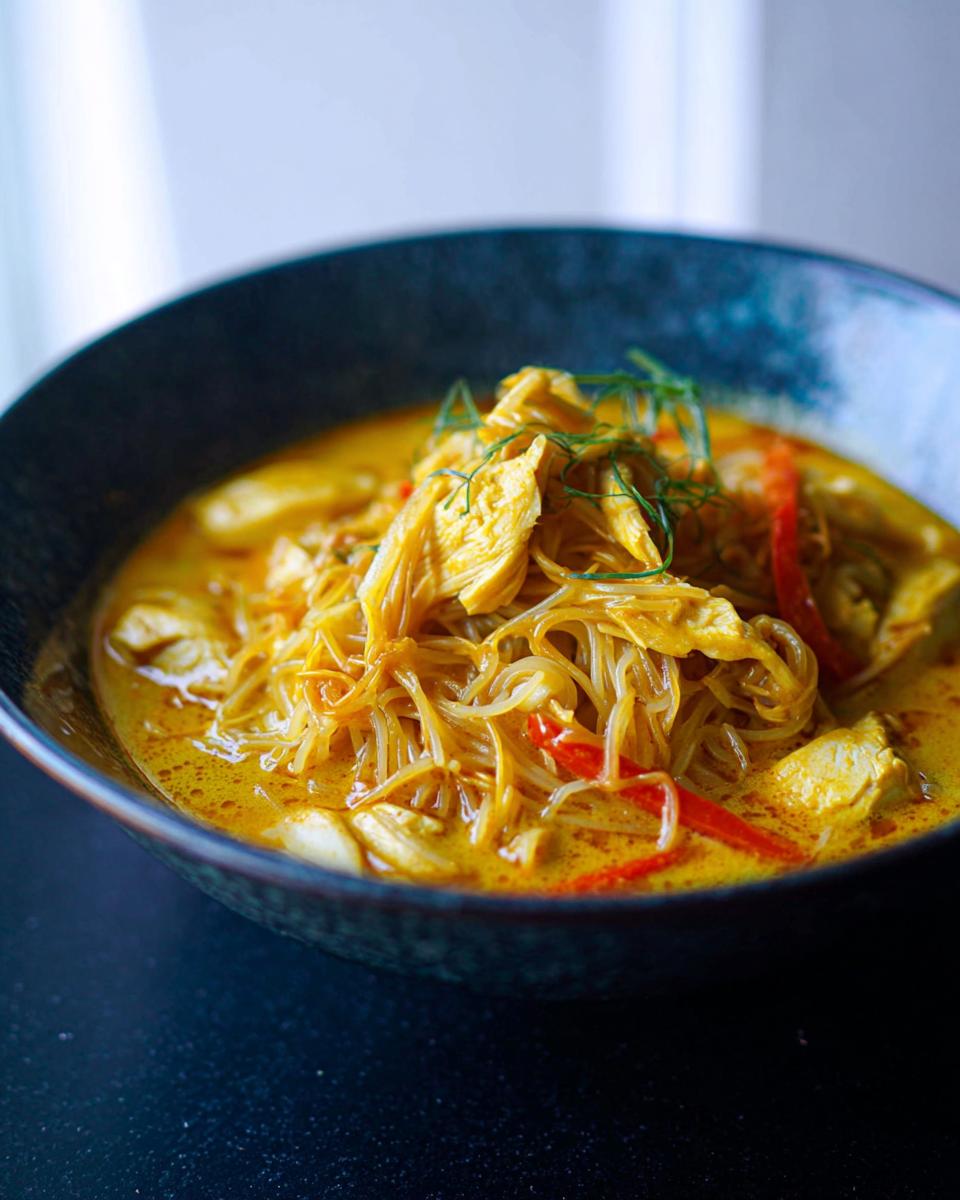
Essential Ingredients for Your Spicy Thai Coconut Curry Noodle Soup
Okay, you’ve decided to make magic! To get that intense, layered flavor that makes this Spicy Thai Coconut Curry Noodle Soup so famous in our house, ingredient quality really matters. Don’t worry; most of this comes together in one happy pot. It’s all about grouping things so you can move quickly once the heat is on.
We have gathered everything we need by component. If you want to see some great supporting recipe ideas while you shop, feel free to browse!
Noodles and Protein Choices
First up is the texture for our noodle soup recipes. You’ll need about 6 ounces of dry noodles. I love using rice noodles because they keep things naturally gluten-free, but egg noodles or even linguini work in a pinch! For your protein—we usually do 8 to 16 ounces—you can use raw chicken breast cut into small cubes, fresh prawns, or my daughter’s favorite, crispy tofu. If you use raw chicken, remember to cook it until done before you start the broth, or slice it super thin so it cooks fast in the final simmer.
Aromatics and Flavor Base for Spicy Thai Coconut Curry Noodle Soup
This is where the adventure begins! You want one tablespoon of coconut oil—peanut or olive oil is fine if that’s what you have—and you’ll want to dice up one large shallot. We need some fresh punch, so grab 2 tablespoons of chopped lemongrass and 4 roughly chopped garlic cloves. The real secret weapon here is toasting the spices:
- 2 tablespoons of Thai Red Curry Paste (add more if you like it truly fierce!)
- 1/2 teaspoon turmeric
- 1/2 teaspoon yellow curry powder
- 1/2 teaspoon ground cardamom powder
We cook these aromatics and pastes together for just a minute in the oil. That quick toast wakes up all the deep flavors, which is non-negotiable for authentic taste!
Creating the Coconut Milk Broth
Now we build the incredibly rich coconut milk broth. You need one 14-ounce can of full-fat coconut milk—don’t skimp here; that fat is flavor! Add one cup of chicken broth (veg broth works too!). For seasoning, we need 2 tablespoons of fish sauce for that savory umami kick, 2 tablespoons of soy sauce, 2 tablespoons of brown sugar to balance the spice, and 1 tablespoon of chili garlic sauce (Sambal Olek). Oh, and don’t forget the juice of one lime at the end to brighten everything up!
Step-by-Step Instructions for Spicy Thai Coconut Curry Noodle Soup
I know looking at a recipe with eight steps can feel daunting when you’re already tired, but trust me, this is one of the fastest, most satisfying noodle soup recipes you will ever make. We are moving fast here, so make sure your shallots are diced and your protein is ready before you even reach for the stove! If you’re looking for some inspiration on family meals while you’re here, check out some of my easy chicken recipes!
Preparing Noodles and Protein
Step one is always about setting up your bowl components first. Cook your 6 ounces of dry rice noodles exactly how the package tells you to. Once they are done, don’t rinse them unless the directions specifically say to; just drain them really well and set them aside. If you are using raw chicken like I often do, this is the time it gets cooked through—maybe sauté it quickly in a separate pan—and then set it aside too. You don’t want it sitting in the broth too long while everything else simmers.
Building the Flavor Foundation of Your thai curry soup
Now for the good stuff! Get that large pot or Dutch oven on medium heat and let it warm up for just a minute. Drop in your tablespoon of coconut oil. Once it shimmers, toss in the shallot and cook it down until it looks soft and translucent—that takes about 3 minutes. Next, toss in the lemongrass and garlic; these are potent, so only cook for about 60 seconds until you can really smell them. This is the best part: stir in the Thai Red Curry Paste, turmeric, yellow curry powder, and cardamom. Keep stirring constantly for a full minute so all those dry powders toast up nicely. That simple step makes such a massive difference in the depth of your final thai curry soup! If you want to see an amazing variation on this style of soup, you can check out this Thai Coconut Noodle Soup recipe.
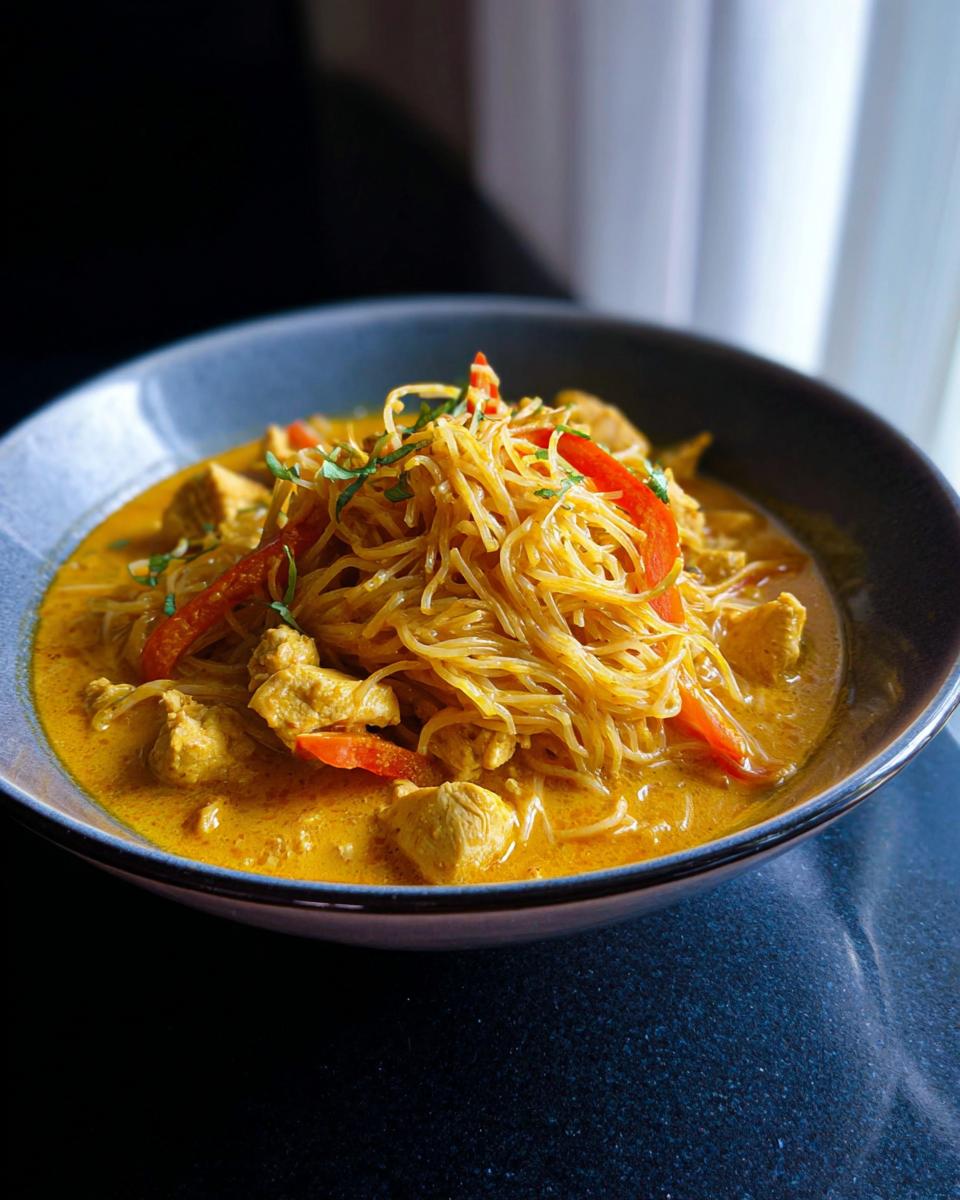
Simmering the Rich coconut milk broth
Once those spices smell incredible, pour in the whole can of coconut milk and the cup of chicken broth. Toss in your kaffir lime leaves if you’re using them, along with the sliced red bell pepper. Add all the seasoning liquids now: the fish sauce, soy sauce, brown sugar, and that sneaky dash of chili garlic sauce. Give it a great stir to grab every bit of toasted spice stuck to the bottom. Bring that mixture up to a gentle simmer, then drop the heat right down. Let it mingle and meld for about 10 minutes—this simmering time is crucial for creating that beautiful, complex coconut milk broth. Once it smells perfect, stir in your cooked protein and the juice from one whole lime. Before serving, taste it! Does it need more salt? More sugar? Adjust it until it sings for you.
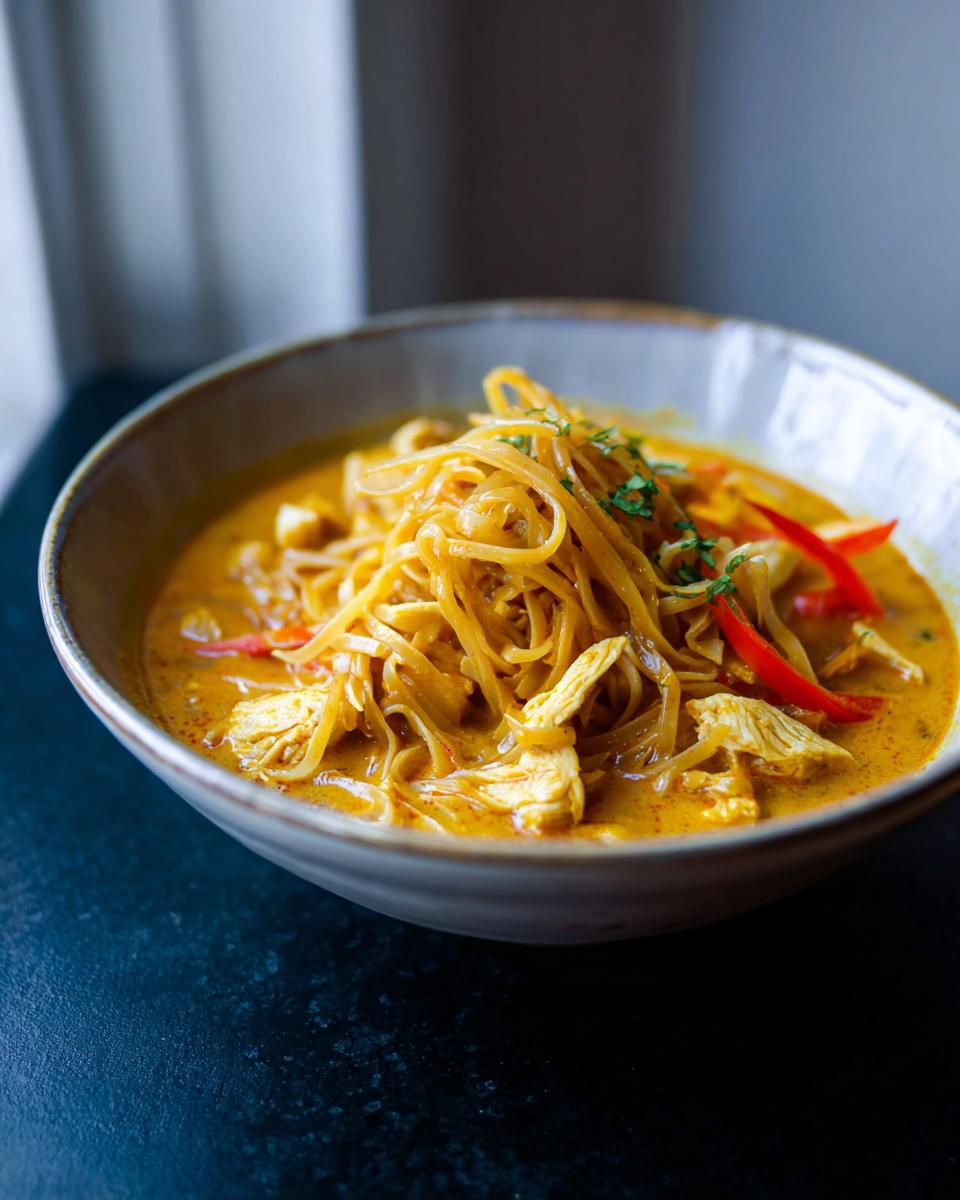
Tips for Perfect Spicy Thai Coconut Curry Noodle Soup Every Time
It’s easy to make this soup good, but getting it *great* involves just a few little tricks I’ve learned over the years. Since I’m focused on feeding my family well—and sometimes that means catering to tiny, sensitive palates—I have a few go-to methods for tweaking flavor and heat for everyone at the table. You can find some other great ideas for healthy dinners right here!
Here are my top tips for nailing that authentic texture and flavor every single time:
- Don’t Skip Toasting the Paste: I know I keep saying it, but seriously! Cooking that Thai Red Curry Paste and the dry spices directly in the oil for a solid minute (Step 3 in the instructions) lets the flavors bloom. If you just dump the paste into the liquid, it tastes muddy instead of bright and complex.
- Full-Fat Coconuts are Non-Negotiable: When it comes to the coconut milk broth, please reach for the *full-fat* can, not the light version marked for drinks. The richness provides the body and emulsifies the spices beautifully. Light coconut milk separates too easily and leaves you with a watery, less satisfying soup.
- The Heat Hack for Kids vs. Adults: This is my big family secret for keeping everyone happy! Make the main batch of broth at a level 2 heat—mild enough for my youngest daughter. Then, before serving, take your own personal bowl and stir in an extra half-teaspoon of chili garlic sauce. Or, keep a little jar of Sriracha at the table for grown-ups to doctor their own bowls.
- Serve Garnishes Buffet Style: A bowl of plain Spicy Thai Coconut Curry Noodle Soup is good, but a bowl with a mountain of toppings? That’s fantastic! Set out bowls of fresh cilantro, sliced scallions, bean sprouts, and plenty of lime wedges. Letting everyone customize their own bowl makes even picky eaters more excited to dig in.
Ingredient Notes and Substitutions for Spicy Thai Coconut Curry Noodle Soup
I get so many questions about taking this recipe and making it work for dietary needs, and honestly, that’s where I shine! As a nutritionist focused on family meals, I want everyone to enjoy these big, bold global flavors safely. The great news is that this Spicy Thai Coconut Curry Noodle Soup is incredibly easy to adapt, especially if you’re dealing with gluten sensitivities.
Let’s tackle the must-know swaps right now so you can shop with confidence. If you ever have a specific question—maybe about sourcing low-sodium soy sauce or something—please don’t hesitate to reach out on my contact page!
Keeping It Gluten-Free: Noodles and Sauces
The first thing to check if you’re avoiding gluten is your noodles and your sauces. The easiest swap is the noodles: use dried rice noodles, which are naturally GF, or even rice vermicelli. If you can’t find those, linguine or ramen can work, but you *must* check the packaging to ensure they don’t contain wheat!
For the sauces, most major brands of Thai curry paste are naturally fine, but always double-check the label, especially for hidden wheat thickeners. For the soy sauce, switch to Gluten-Free Tamari or a specific GF soy sauce blend. This keeps our savory base intact for this amazing coconut milk broth.
Vegan and Vegetarian Swaps for the Broth
Making this vegetarian or fully vegan is almost as simple as breathing! The main component we need to address is the fish sauce; it adds that deep, salty savoriness that is so essential to authentic Thai flavor. If you’re skipping all animal products, look specifically for ‘Vegan Fish Sauce’—it’s usually made from fermented soybeans or seaweed and provides a fantastic replacement. Alternatively, you can increase the soy sauce slightly, but I really recommend finding that vegan alternative if you can; it makes a difference in the thai curry soup complexity.
For the broth itself, simply swap the chicken broth for a good quality vegetable broth. If you want to bulk it up, just add a few mushrooms when you add the bell peppers in Step 5; they soak up all those wonderful spices!
Protein Flexibility
You can really use anything here, but I wanted to clarify the cooking process for protein swaps. If you are using raw shrimp or thin slices of chicken, you add those in Step 6, right before the lime juice, and they need just enough time to poach in the hot broth until they are cooked through—usually 5 to 7 minutes. If you decide to use firm tofu instead, make sure you press the moisture out of it first! Pressing it dries it out so it can absorb more of that spicy, creamy flavor. You can even cut the tofu into cubes and pan-fry it until crispy before adding it in Step 6, just like we do with the chicken.
Making Your Spicy Thai Coconut Curry Noodle Soup Ahead of Time
I know, I know—who has time to fully cook a whole elaborate global flavor dinner on a Tuesday? That’s why I frequently use meal prep strategies for this soup! You absolutely shouldn’t store the whole assembled bowl together, though. If you mix the noodles into the soup and refrigerate it, you are going to end up with a giant, gummy brick of sadness the next day.
Keep things separate! That’s the secret to amazing make-ahead noodle soup recipes. Cook your noodles according to the instructions and store them in a sealed container with a tiny splash of oil just to keep them from sticking. Make the whole broth mixture and cook your protein, then let the finished soup cool completely. Keep the broth separate in the fridge for up to three days. When you are ready to eat, gently reheat the broth on the stovetop—don’t boil it aggressively, or the coconut milk broth might split! Then, just add your pre-cooked noodles to the bowl, ladle the hot broth over top, and sprinkle on some fresh toppings. So easy! You can check out some of my best tips for healthy meal prep strategies for busy families too!
Serving Suggestions for Your Global Flavor Dinners
We’ve done the hard work! The broth is simmering, the noodles are soft, and that gorgeous, fragrant steam is rising off the pot. Now comes the really fun part: turning a delicious bowl of Spicy Thai Coconut Curry Noodle Soup into a full, vibrant experience! This is what makes weeknight dinners feel like an event, even for the kids.
Since we’re aiming for that exciting explosion of texture and freshness that defines great Thai food, garnishes are EVERYTHING. Think of them not as extras, but as mandatory components. My suggestion for this kind of rich, creamy dinner is to set up a little toppings bar on the counter. Let everyone customize their own bowl right before they eat it!
- Fresh Herbs are Essential: You absolutely must have chopped fresh cilantro. Basil also works wonderfully if you have some on hand. The fragrance immediately brightens up that heavy richness of the coconut milk broth.
- Acidity Wins: Keep those lime wedges right next to the serving spoons! A good, sharp squeeze of fresh lime juice at the very end cuts through the fat and salt perfectly. It makes the entire soup taste alive.
- Extra Heat Control: Keep a small dish of chili garlic sauce or Sriracha nearby for the adults who want to turn up the dial on their individual bowls of thai curry soup.
- Crunch Factor: While the noodles give some body, adding a small handful of fresh bean or mung bean sprouts per bowl right before serving adds a wonderful, cool, crisp counterpoint to the warm, soft noodles.
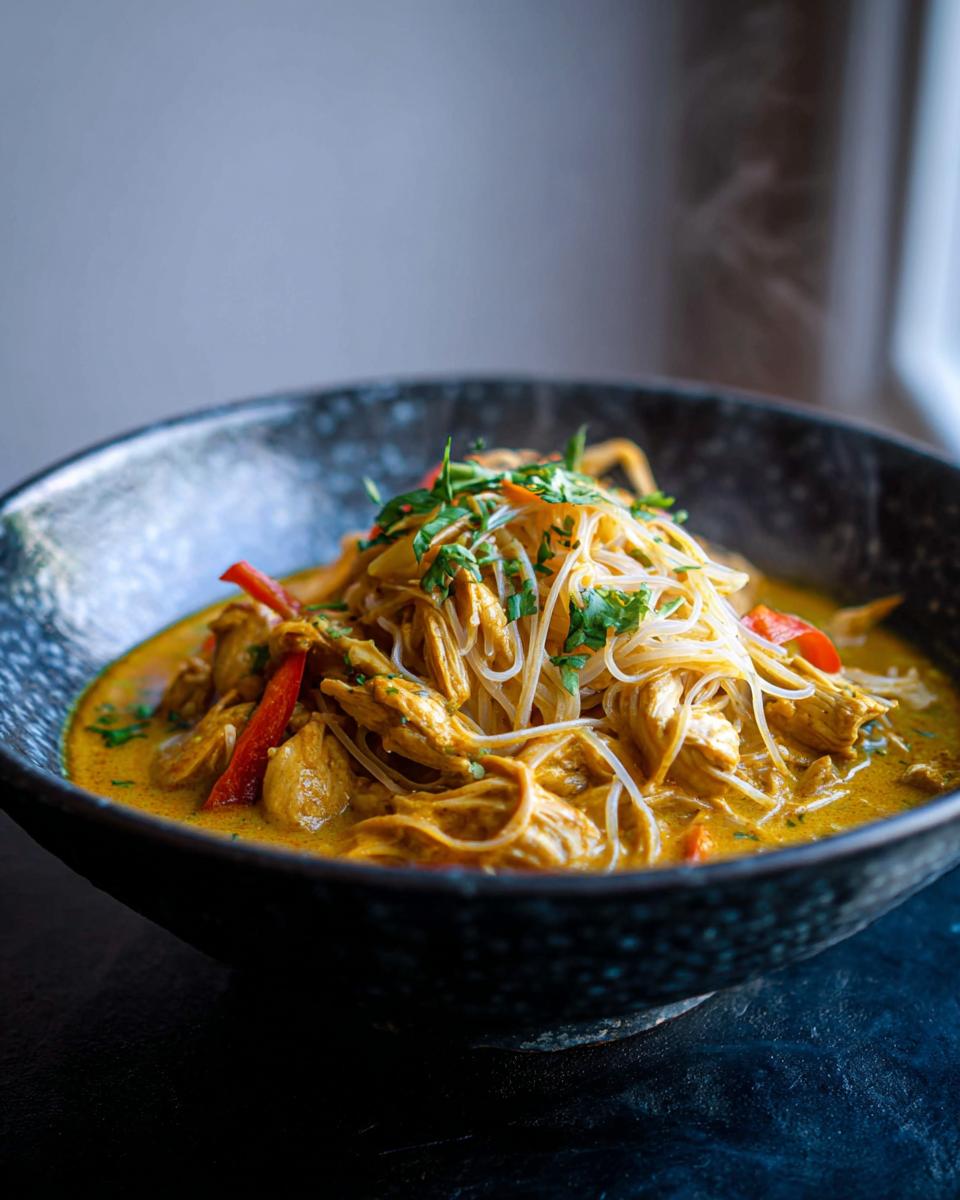
As for a simple side dish, you honestly don’t need much because this is already a full meal with noodles and protein! But if you have the energy, a very simple side salad featuring cucumber ribbons dressed lightly with rice vinegar and a pinch of sugar is a cool, palate-cleansing break between spicy spoonfuls. Keep it light so you can fully enjoy the main event!
Frequently Asked Questions About Spicy Thai Coconut Curry Noodle Soup
It’s natural to have questions pop up when trying a new adventure in cooking, especially when we are focusing on making amazing global flavor dinners that fit everyone’s needs. I’ve gathered the questions I get asked near the most right here. If you’ve started making this Spicy Thai Coconut Curry Noodle Soup and still have queries, you can always check out my ‘About Me’ page right here!
How do I make this thai curry soup completely vegetarian?
Oh, easy peasy! Making this thai curry soup vegetarian is simple, and it tastes just as vibrant. First, you must swap out the chicken broth entirely for a good quality vegetable broth—this is key for the depth of flavor. Then, for the protein, you are going to use tofu or mushrooms instead of chicken or shrimp. I love using firm tofu that I’ve pan-fried until it’s golden brown before adding it right at the end with the lime juice. Mushrooms, like shiitake, are also amazing because they soak up all that spicy, creamy goodness!
Can I use peanut butter instead of curry paste in this noodle soup recipes?
That’s a really interesting question! Peanut butter will absolutely change the dish, though. If you use peanut butter, you are moving away from a traditional Thai curry flavor profile and leaning much more toward a Satay-style sauce, which is delicious in its own right, but it’s not the same as this specific noodle soup recipes! The red curry paste has so many aromatic ingredients (galangal, roots, lemongrass, etc.) that peanut butter just can’t replicate. If you really want a slightly thicker texture in your coconut milk broth, you could add just one teaspoon of peanut butter along with your regular curry paste, but please don’t substitute the whole amount!
What is the best way to reduce the heat level for young children?
This is probably the most common question, especially since we are cooking for little ones! My best tip is to be very conservative with the main heat sources in the broth base. When you get to Step 4 of the instructions, cut the 2 tablespoons of Thai Red Curry Paste down to just 1 tablespoon (or even less). BUT, the big secret is to completely skip adding the chili garlic sauce (Sambal Olek) to the main pot entirely. You can then place a small bowl of that chili garlic sauce on the table for the adults who want a blast of heat. That way, you build a perfectly mild, flavorful Spicy Thai Coconut Curry Noodle Soup for the kids, and everyone else can spice up their own bowl to their absolute liking!
Estimated Nutritional Snapshot for Spicy Thai Coconut Curry Noodle Soup
When we talk about feeding our families, I always want us to feel good about what we’re serving, not just that it tastes amazing! This recipe is surprisingly well-balanced when you look at the breakdown, offering good protein and satisfying fats from that gorgeous coconut milk broth.
Here is a rough idea of what you can expect per serving for this Spicy Thai Coconut Curry Noodle Soup (based on 4 servings, assuming standard ingredient usage like chicken breast and rice noodles). Remember, these are just estimates, because what you use for oil or the exact brand of curry paste can make little tweaks!
- Calories: About 450 kcal
- Fat: Roughly 25 grams (watch that saturated fat, most of it comes from the full-fat coconut milk!)
- Protein: Around 25 grams (great if you used good quality chicken or shrimp!)
- Carbohydrates: About 40 grams
- Sugar: Around 10 grams (mostly from the brown sugar we use to balance the spice)
The nice thing about this recipe is that the fiber is decent too—about 4 grams per bowl, especially if you added extra veggies like extra peppers or some spinach at the end. It’s proof that a fantastic, adventurous global flavor dinner doesn’t have to be heavy or unhealthy!
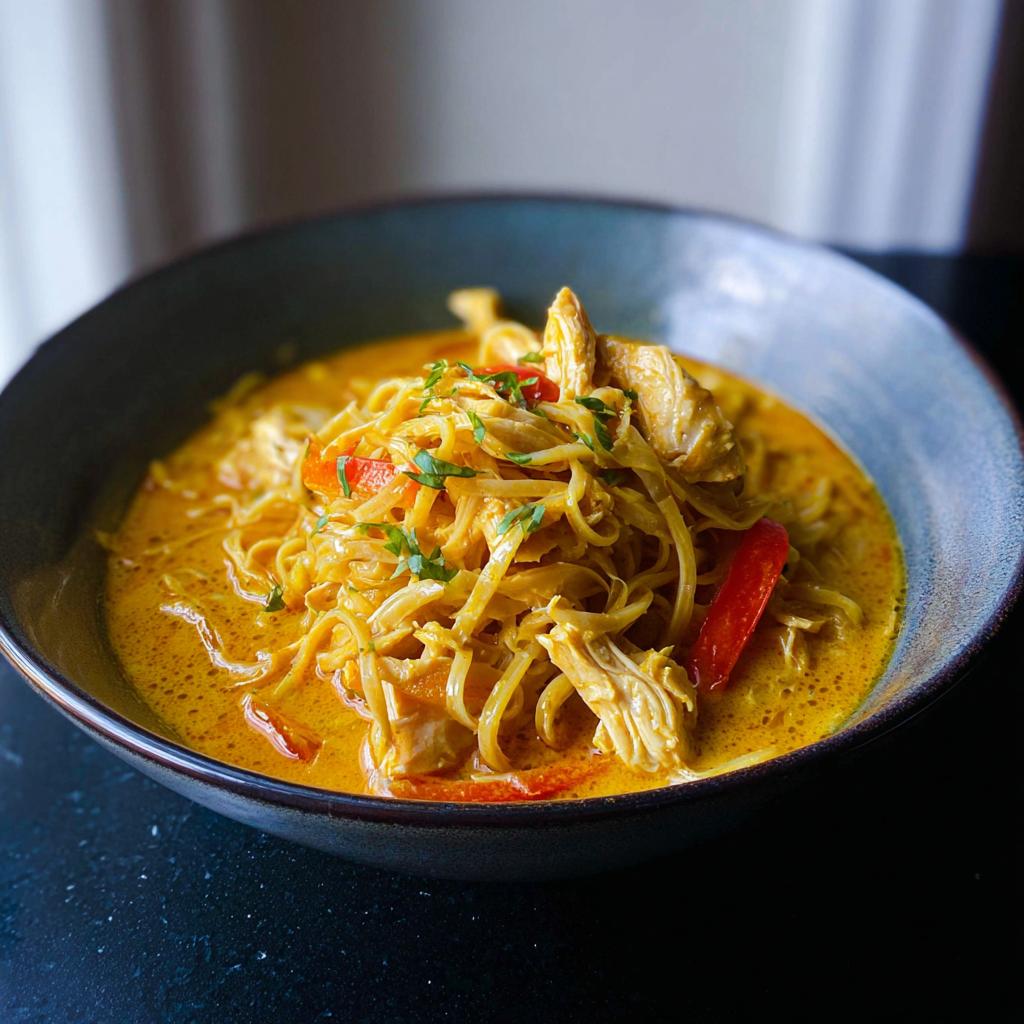
Spicy Thai Coconut Curry Noodle Soup
Ingredients
Equipment
Method
- Cook the noodles according to package directions. Drain them and set them aside. If you are using raw chicken, cook it now and set it aside.
- Heat the coconut oil in a large pot or Dutch oven over medium heat. Add the diced shallot and cook until softened, about 3 minutes.
- Add the lemongrass and garlic to the pot. Cook for 1 minute until fragrant.
- Stir in the Thai Red Curry Paste, turmeric, yellow curry powder, and cardamom. Cook for 1 minute, stirring constantly, to toast the spices.
- Pour in the coconut milk and chicken broth. Add the kaffir lime leaves (if using), sliced red bell pepper, fish sauce, soy sauce, brown sugar, and chili garlic sauce. Stir well to combine.
- Bring the soup to a simmer. Reduce the heat to low and let it cook for about 10 minutes to allow the flavors to meld. Taste the broth and adjust salt, sugar, or spice level as needed.
- Stir in your cooked protein (chicken, tofu, or prawns) and cook until heated through. Squeeze in the juice from one lime.
- Divide the cooked noodles among serving bowls. Ladle the curry soup and protein over the noodles. Serve immediately with extra lime wedges on the side.
Nutrition
Notes
Tried this recipe?
Let us know how it was!
Gluten-Free Nutritionist & Family Meal Planning Expert
Working as a pediatric dietitian at Children’s Hospital of Denver, I kept meeting families overwhelmed by managing their children’s celiac disease. Parents stressed, kids frustrated, everyone eating bland boxed “gluten-free” products.
That’s when I realized my calling: creating practical, balanced gluten-free solutions for real families with busy schedules. I’ve developed 375+ family-friendly recipes focusing on lunch boxes, after-school snacks, and make-ahead dinners that actually work.
My meal planning system was featured in Parents Magazine, and I presented research at the Rocky Mountain Pediatric Nutrition Conference. My evidence-based approach ensures recipes meet both taste and health standards—families need solutions that work in the real world, not just perfect test kitchens.