
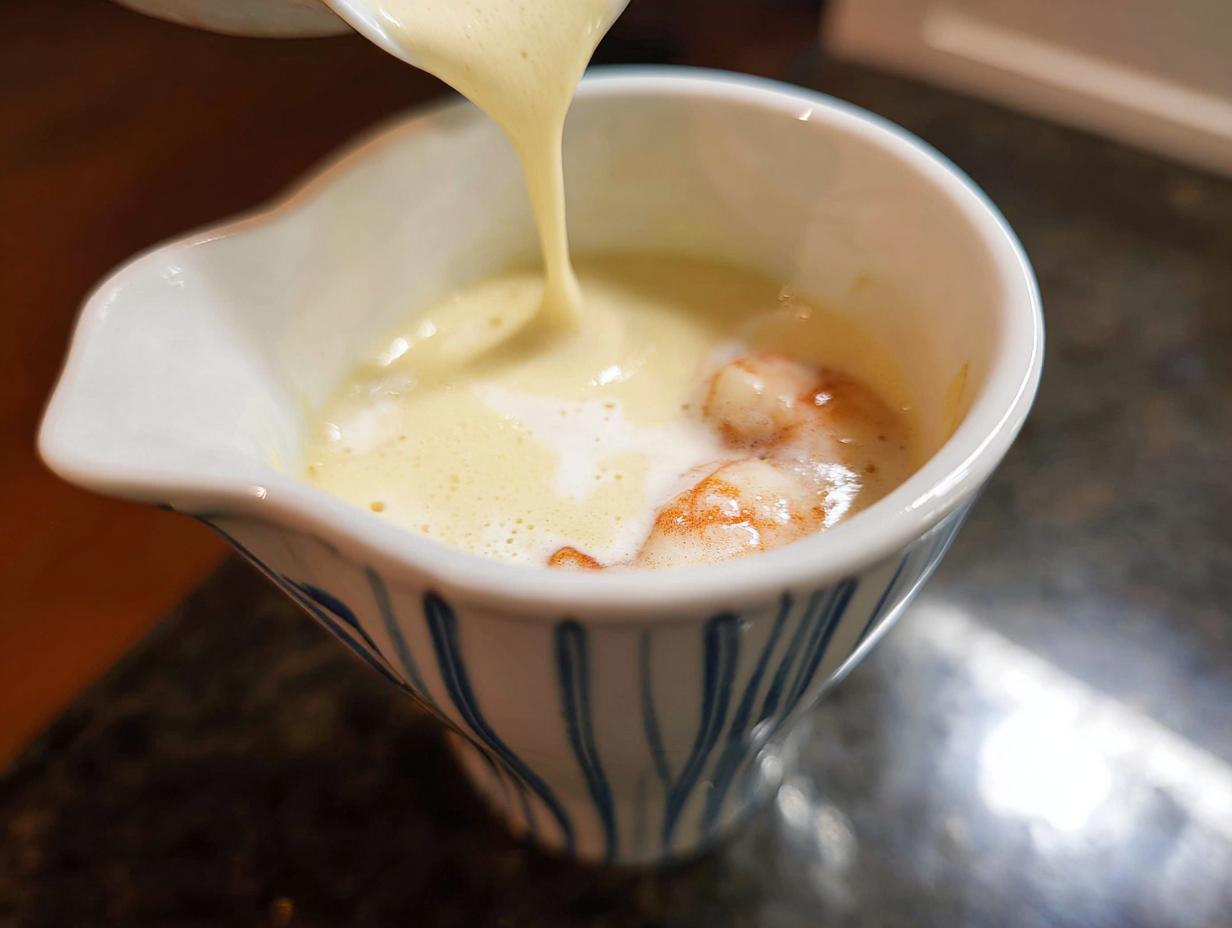
Listen, I know seafood can sometimes feel a little intimidating, right? Like it needs a super complicated French technique just to be served properly. Well, I’m here to tell you no! You can absolutely transform humble shrimp or a simple fish fillet into something spectacular with very little fuss. We’re making my incredible Champagne Cream Sauce for Seafood today, and trust me, it’s elegant, simple, and completely gluten-free. I remember the first time I whipped this up for a big family gathering—I wanted that touch of my Brazilian heritage, something memorable. When my youngest son tried it, his smile was pure confirmation that this recipe had soul. That’s what cooking is about: those moments shared around the table. I’m Marco Santos, your gluten-free chef, and this sauce is proof that sophistication doesn’t need gluten or complicated steps! You can read more about my approach to honest, delicious cooking over at my professional philosophy.
Why This Champagne Cream Sauce for Seafood is a Must-Try
Honestly, if you’re looking for a reason to break out that special bottle of bubbly that’s been sitting in the fridge, this is it! This Champagne Cream Sauce for Seafood doesn’t just taste expensive; it’s genuinely simple to pull together. It instantly elevates whatever you pair it with, making even a Tuesday night feel like a proper celebration. Plus, since we build this sauce on a beautiful broth base instead of flour, it’s naturally gluten-free, which is a huge win for everyone at your table.
- It brings restaurant-level elegance to your Party Menu instantly.
- The flavor is bright, rich, and perfectly balances savory seafood.
- It’s a fast Pan Sauce that comes together quickly after your main cooking is done.
- Completely safe for our gluten-free friends!
Essential Components for Your Champagne Cream Sauce for Seafood
Okay, so making this sauce feels fancy, but it really breaks down into two easy chunks. Think of it in two phases: first, we build the liquid foundation, which is our deeply flavored fish bone broth, and then we turn that into the luxurious finish. This recipe makes enough for 6 servings, and realistically, plan on about 90 minutes total time, but the real work for deep flavor—the broth simmer—is only about 30 minutes. Don’t skip the broth step, friend; that is where the magic hiding! You can find tons of other great things to make after we gather these ingredients over at my recipe index.
For the Rich Fish Bone Broth
This is the backbone! If your broth is weak, your sauce will be weak. You need good flavor here, so be generous with the aromatics. Don’t skimp on the fresh parsley or the lemon juice!
- 1 kg uncooked Fish bones
- 200 ml Champagne (the bit meant for simmering, not the good stuff!)
- 800 ml Water
- 1 handful Parsley
- 1 leaf Bay leaf
- 1 teaspoon Salt
- 1 teaspoon Peppercorns
- 1 Onion, roughly chopped (keep the skin on for color!)
- 1 stick Celery, roughly chopped
- 1 Lemon, halved (we use both the juice and the rind)
For the Final Champagne Cream Sauce for Seafood
This is where we take that broth and make it irresistible. Remember the butter at the end? It needs to be cold and cubed; that’s totally key for that glossy finish we’re aiming for.
- 550 ml Champagne (the good quality stuff goes here!)
- 350 ml Fish bone broth (from the first part!)
- 400 ml Double cream (or heavy cream—no low-fat cheating here!)
- 50 grams cold, cubed Butter for finishing
- 1 Shallot, finely diced
- 50 grams Butter for frying shallots
- Salt to taste
- Pepper to taste
Step-by-Step: Preparing the Fish Bone Broth Base
Before we even think about popping the cork on the good Champagne, we need a foundation that sings! This broth step is non-negotiable; it’s what separates a watery sauce from something truly luxurious. Don’t worry, it’s mostly hands-off time. Grab your largest saucepan—I mean it, use the biggest one you have.
Toss in those fish bones, all those rough-chopped veggies—celery, onion, use every aromatic we listed. Throw in the parsley, the bay leaf, salt, and peppercorns. Squeeze that lemon over the mess, and then drop the halves right in; we want all that zesty flavor! Now, pour in the water and the initial 200ml of Champagne. Bring that whole big pot to a gentle simmer and then set your timer for exactly 30 minutes. Trust me, you don’t want to boil it hard, just a gentle bubble.
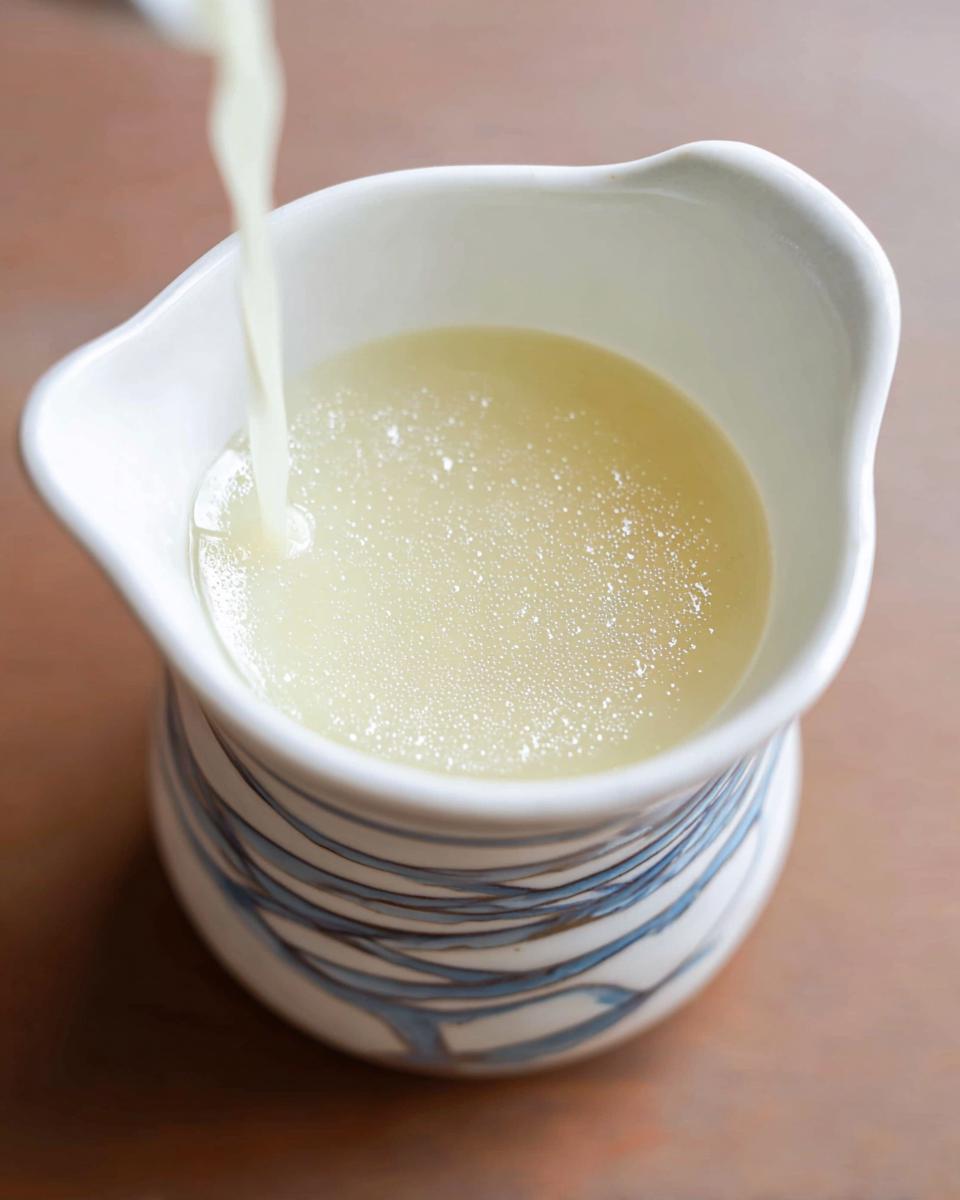
When the timer goes off, take it off the heat right away. This is the messy but crucial part: straining. You’ll need a regular sieve first, but underneath it, line it with a piece of muslin cloth—that fine material is what you need to catch all the tiny bits. Pour everything through that setup into a clean bowl or jug. Let that strained liquid settle for a minute or two, and then gently skim off any pale residue floating on top. See how clear that liquid is? That’s your flavor gold, ready for the next stage!
Crafting the Perfect Champagne Cream Sauce for Seafood
Now that we have our amazing fish bone broth, we turn this into the star of the show! This part is fast, so make sure you have everything—your shallots diced, your cream measured—ready to go. We want to start by getting some flavor in our pan. Grab a clean saucepan and melt 50 grams of butter over medium heat. Add your finely diced shallot and let it cook gently until it’s soft and translucent—we aren’t looking for brownness here, just sweetness. If you’re looking for another fantastic take on this sauce, check out this guide at Rosanna ETC.
Once those shallots are happy, pour in the 550ml of Champagne. Turn up the heat slightly and let that simmer. We need to reduce this liquid by about one-third; this concentrates that beautiful bubbly flavor. After that lovely fizz has cooked down a bit, go ahead and pour in your 350ml of strained fish stock and the 400ml of double cream. Bring this mixture back up to a boil and then reduce the heat so it simmers gently until the volume has halved again. This reduction concentrates everything into something truly special, turning it into that dreamy Pan Sauce we all crave.
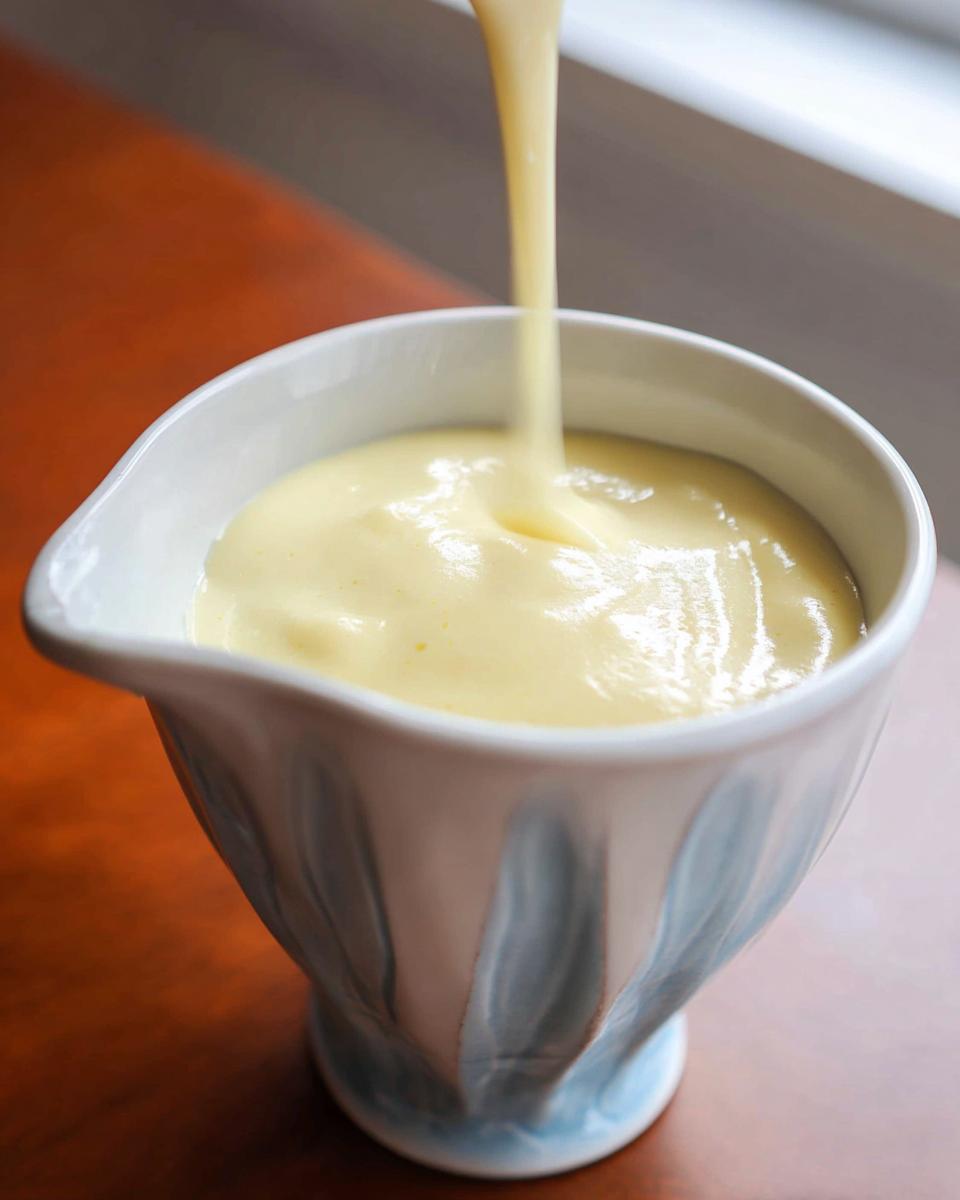
Season it carefully now—salt and pepper until it tastes just right to you. Pour the finished liquid through that sieve one more time to catch those shallots. Now for the absolute pro move: put the strained sauce back in the pan, turn the heat OFF completely. Take those final 50 grams of cold, cubed butter and whisk them in one cube at a time until they melt and emulsify into the sauce. This process, called mounting, makes the sauce unbelievably glossy and rich. If you want more delicious inspiration for dinner, check out these comforting dinner ideas.
Tips for Success When Making Champagne Cream Sauce for Seafood
Look, I’m Marco, and I want you to feel like you’re getting the absolute best from your kitchen, not secrets from a textbook. When you make this Champagne Cream Sauce for Seafood, a few small details make a big difference between “good” and “wow!”
First, let’s talk about the bubbly. You need a dry Champagne or sparkling wine. Do not, and I mean *do not*, use anything sweet, like Asti or a demi-sec. Those sugary wines won’t reduce correctly; they’ll just turn sticky and cloying. A dry Brut or even a decent Cava works perfectly, and honestly, if you wouldn’t drink it, don’t cook with it!
Second, that broth skimming we did earlier? That might feel tedious, but it is so important for establishing our expertise here. If you leave too much fat or floating particles on top of the broth, your final cream sauce won’t be crystal clear or smooth enough. Take the extra three minutes to skim it well. Your sauce deserves a clean foundation!
Finally, remember the glorious moment when we finish the sauce by whisking in those cold butter cubes off the heat? That isn’t just for richness; it’s for shine! That technique, called mounting the sauce, creates a beautiful, stable emulsion that coats the seafood perfectly. If you check out my favorite weeknight recipes, you’ll see hints of this technique working elsewhere too!
Serving Suggestions for Your Champagne Cream Sauce for Seafood
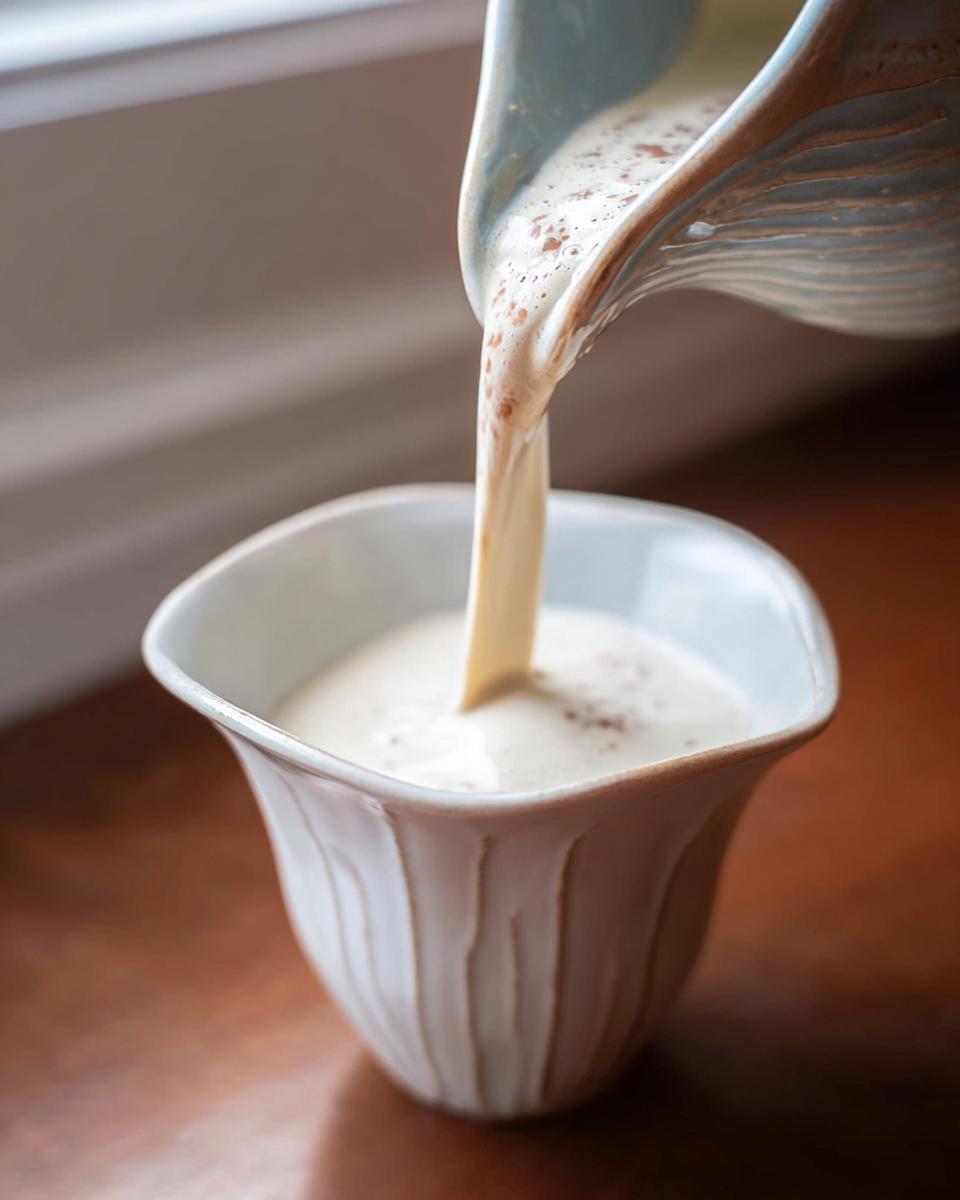
This is the fun part! Now that you have this incredible, rich, and deeply flavorful Champagne Cream Sauce for Seafood, what are you going to pour it over? Honestly, this sauce is so versatile, it makes everything taste like it came straight from a fancy bistro. It’s the definition of a showstopper without the fuss!
If I’m feeling super celebratory—say, for a big New Year’s Eve Dinner or a milestone anniversary—I always pair it with pan-seared scallops. Oh my goodness, the way the buttery scallop caramelizes and meets that bubbly, velvety sauce? It’s heaven. You just need a quick sear on high heat, and that’s it. Instant elegance!
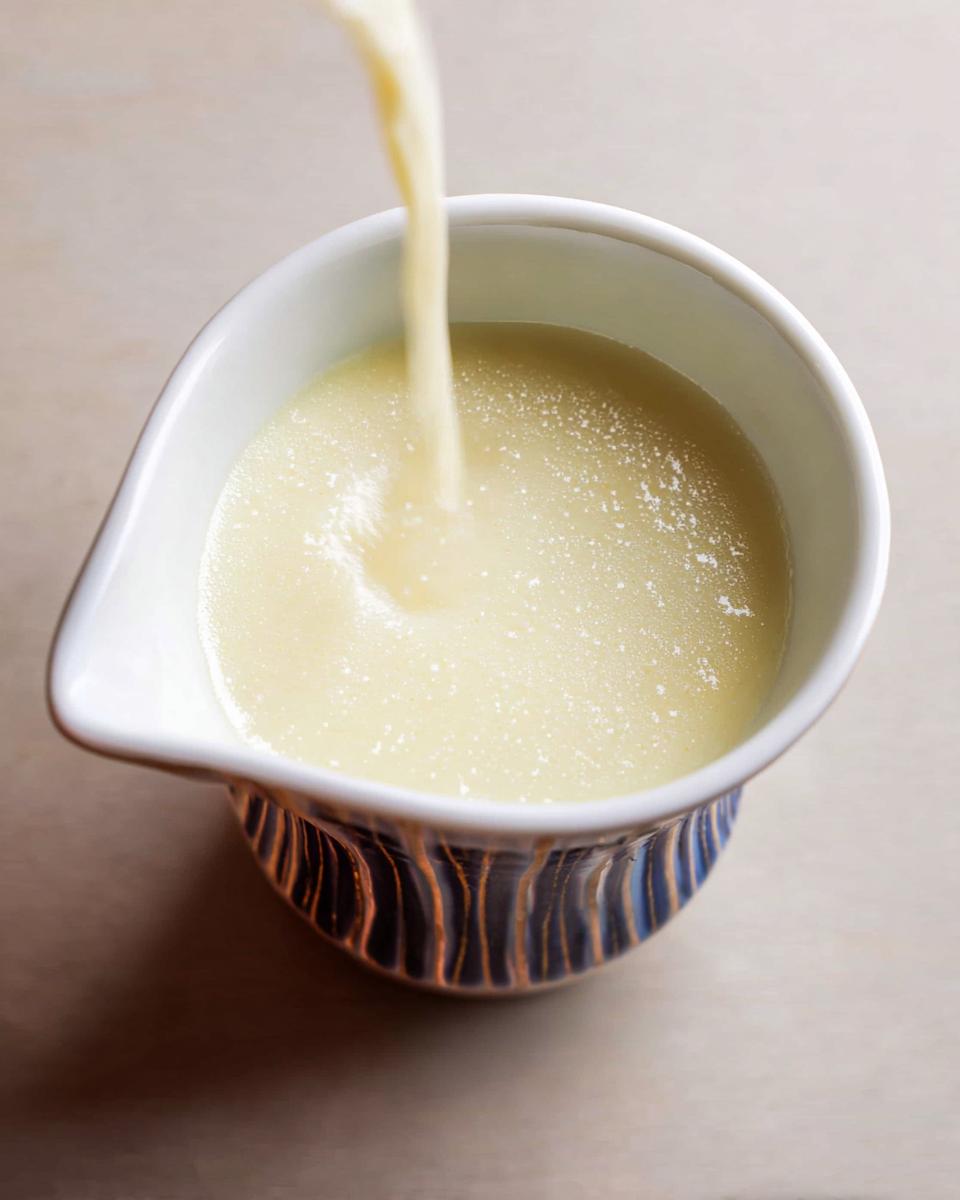
But don’t think it’s only for special occasions! If you’re leaning towards something lighter, this sauce sings beautifully over delicate white fish fillets, like sole or halibut, baked simply with a little lemon and fresh dill. You can also toss it with perfectly sautéed shrimp—it turns a box of frozen shrimp into something spectacular in about five minutes.
I always serve these dishes alongside something simple to soak up every last drop of the sauce—maybe some creamy mashed potatoes or perhaps some simple steamed asparagus. For more ideas on how to make your main course truly shine, take a look at my collection of dinner recipes. No matter what you choose, this sauce makes the meal immediately memorable!
Ingredient Substitutions for Your Champagne Cream Sauce
One thing I’ve learned cooking Latin-inspired dishes, especially dealing with various dietary needs, is that flexibility is everything. This Champagne Cream Sauce for Seafood is rock solid, but if you don’t have exactly what the recipe calls for? Don’t panic! We can almost always find a great substitute that keeps the spirit of the dish alive. I’ve put together some swaps that I trust based on my experience, which you can read more about in my baking principles.
Swapping Out the Champagne
Okay, this is the most common question! Look, if you want that signature brightness in your Seafood Sauce, you need acidity and bubbles. If you don’t want to open a whole bottle of bubbly just for the sauce, dry white wine is your best friend. Think Pinot Grigio or Sauvignon Blanc—something crisp that doesn’t carry a lot of residual sugar. You still need to reduce it down, just like the Champagne, to concentrate that flavor we love.
Now, if you’re avoiding alcohol entirely, please don’t use plain water; that won’t work! The best non-alcoholic swap is actually high-quality, dry sparkling cider. Make sure it’s a sparkling apple cider that leans toward tart, not sweet. You’ll reduce it exactly the same way, and it gives you that wonderful fizz lift without the alcohol content. This keeps the sauce light and perfect for a family dinner.
Adjusting for Dairy and Cream
Since this is a cream sauce, dairy is front and center, but we can adjust! If you need to keep it dairy-free for health reasons or preference, the double cream replacement requires a little care, but it’s doable. Canned coconut cream is surprisingly effective here because of its high fat content. It mimics the thickness of heavy cream wonderfully.
Here’s my honest note on coconut cream: it *will* bring a subtle coconut note—there’s no hiding that tropical flavor! Pair that with lighter white fish or even use it over shrimp, and it actually turns into a beautiful, slightly Latin-inspired sauce, which fits right into my cooking style. Just remember, avoid the watered-down carton coconut milk; you need the thick part from the can.
What About the Fish Broth?
If you absolutely cannot source fish bones for that initial broth—and I get it, sourcing specialty bones can be tough—you need a substitute that brings savory, umami depth. The next best thing is a high-quality, low-sodium fish or vegetable broth that you’ve jazzed up yourself. To mimic the richness, I suggest adding a splash of dry sherry or a few drops of white wine vinegar to your store-bought broth before adding the cream. That little bit of extra tang helps bridge the flavor gap left by homemade bones. Remember, flavor building always wins!
Frequently Asked Questions About This Seafood Sauce
You’re doing great making this amazing Champagne Cream Sauce for Seafood, but I know sometimes little questions pop up as you get cooking. It’s part of the process; every good home cook has questions! Here are some of the things I get asked most often about making this decadent mother sauce.
Can I make the fish broth ahead of time?
Absolutely, and I highly recommend it! Making the fish bone broth base first is the secret to keeping this a quick Pan Sauce when it’s time to serve dinner. You can make the broth up to two days ahead of time. Just make sure you cool it down quickly after straining, store it sealed tight in the fridge, and always remember to skim off the fat layer that solidifies on top before you reheat it for your final sauce assembly. That separation is key to a clean taste!
Is this Champagne Sauce recipe truly gluten-free?
Yes, it absolutely is! That’s one of the main reasons I developed my version of this classic French sauce. We avoid flour entirely by relying on two things: heavy reduction for thickness and the final emulsification step using cold butter—a technique known as *monter au beurre*. Since we aren’t using any flour or roux, this gorgeous Champagne Sauce is naturally safe for my gluten-free friends. You can find more about my commitment to GF cooking at my contact page if you have more general concerns!
What is the best type of Champagne to use for this Seafood Sauce?
I tell everyone this: use something dry! You want a Brut or Extra Brut if you can find it. The key here is that we are reducing the liquid significantly, which concentrates the flavor. If you use a sweet Prosecco or a Demi-Sec Champagne, your final sauce will end up tasting sticky and overly sweet, which won’t balance well with the delicate richness of the seafood. Save the good sweet bubbly for sipping!
My sauce split when I added the butter! What went wrong?
Ah, the dreaded split sauce! Don’t worry, this usually happens for one of two reasons when finishing any cream-based Seafood Sauce. First, if your sauce was actively boiling when you added the cold butter, it shocks the fat, and it spits out. Always turn the heat OFF before whisking in those final cold cubes of butter. Second, if you added the butter too fast, whisk gently, one cube at a time, allowing it to fully integrate before adding the next. If it splits, take it off the heat, add a tiny splash of very hot water or a little extra cold cream, and whisk vigorously off the heat; sometimes, that just helps it come back together.
Can I use this sauce for something other than seafood?
While this Champagne Sauce was clearly designed to pair with delicate seafood—it’s perfect for scallops and lobster—it can work beautifully with chicken breast or veal cutlets too! The brightness of the lemon and the acidity of the Champagne cut through richness really well. Just remember that it’s a delicate flavor profile, so big, heavy meats might overpower it. If you’re looking for heavier pairings, check out my contact page and let me know what you try!
Storing Leftovers of Your Champagne Cream Sauce for Seafood
This sauce is so good, you’ll probably want to keep some tucked away for later! You can refrigerate any leftover Champagne Cream Sauce for Seafood in a tightly sealed container for maybe three days max. Don’t leave it hanging around too long, even though that cream has sugar, it’s still delicate. When it’s time to use it again, please—and I mean please—reheat it slowly on the stovetop over very low heat—no microwaves!
If it looks like it split or separated once it heats up, don’t panic; that happens with creamy sauces. Just whisk in a tiny splash of warm liquid—maybe a teaspoon of warm fish broth or even warm milk—or, my favorite trick, whisk in one tiny cube of cold butter off the heat. That little bit of fat helps bring the emulsion right back together. If you’re into planning ahead, check out the best meal prep ideas on my site!
Share Your Experience Making This Elegant Sauce
Now that you’ve made this deeply flavorful and simple Champagne Cream Sauce for Seafood, I am just dying to hear how it turned out for you! Honestly, the best part of sharing these family-inspired recipes is seeing how you bring them to life in your own kitchens. Did you pair it with some perfectly seared scallops, or maybe you used it over fresh crab cakes? Tell me everything!
I really want to know if this bright, elegant sauce became a permanent fixture on your special occasion menus. Was it a hit at your last Party Menu adventure? Head down below and drop a rating for the recipe—five stars if you loved it, but let me know if you made any changes!
If you snapped a photo of your stunning plate, please feel free to share it! Tagging me on social media is the best way to show off your culinary skills. I always love checking out the results and sharing your successes with the broader community. Don’t forget to spread the word about this incredible gluten-free delight!
For more inspiration on new dishes that can jazz up your week—or your next big celebration—make sure you browse through all the trending ideas on my site!

Champagne Cream Sauce for Seafood
Ingredients
Equipment
Method
- For the fish bone broth: Place fish bones in a large saucepan. Add chopped celery, quartered onion (with skin), bay leaf, parsley, salt, and peppercorns. Squeeze in the juice from the halved lemon and add the lemon halves to the pot.
- Pour in the water and 200ml of champagne. Bring to a simmer and cook for 30 minutes.
- Remove from heat. Strain the broth through a sieve lined with muslin cloth into a bowl or jug. Let it settle, then skim off any residue from the top.
- For the champagne cream sauce: Finely dice the shallot.
- Heat 50g of butter in a saucepan over medium heat. Add the diced shallot and gently fry until softened.
- Pour in 550ml of champagne and bring to a gentle boil. Reduce the liquid by one-third.
- Add the fish stock and double cream. Bring back to a boil and reduce the sauce by half.
- Season the sauce with salt and pepper to your taste.
- Strain the sauce through a sieve to remove the shallots. Return the sauce to the pan and gently heat it until just below simmering point.
- Turn off the heat. Whisk in a few extra cubes of cold butter until the sauce is smooth and glossy. Serve immediately.
Nutrition
Notes
Tried this recipe?
Let us know how it was!
Gluten-Free Chef & Latin Cuisine Innovation Specialist
My youngest son’s celiac diagnosis at four changed everything. Suddenly, all those traditional Brazilian and Portuguese recipes from my avó needed to be completely reimagined without losing their soul.
After graduating from Johnson & Wales and working Miami’s Latin fusion scene, my son’s diagnosis became my calling. How do you make gluten-free empanadas that taste like childhood? Over eight years, I’ve developed 320+ gluten-free recipes celebrating authentic Latin flavors using cassava flour and plantain alternatives.
My gluten-free empanada recipe won “Best Appetizer” at the 2023 Miami Gluten-Free Food Festival. I ran “Sabores Sin Gluten,” a catering business serving Miami’s Latino community—quinceañeras, family gatherings, all the celebrations that matter.
Food is culture, and everyone deserves to experience the joy of sharing traditional family meals, regardless of dietary restrictions.