
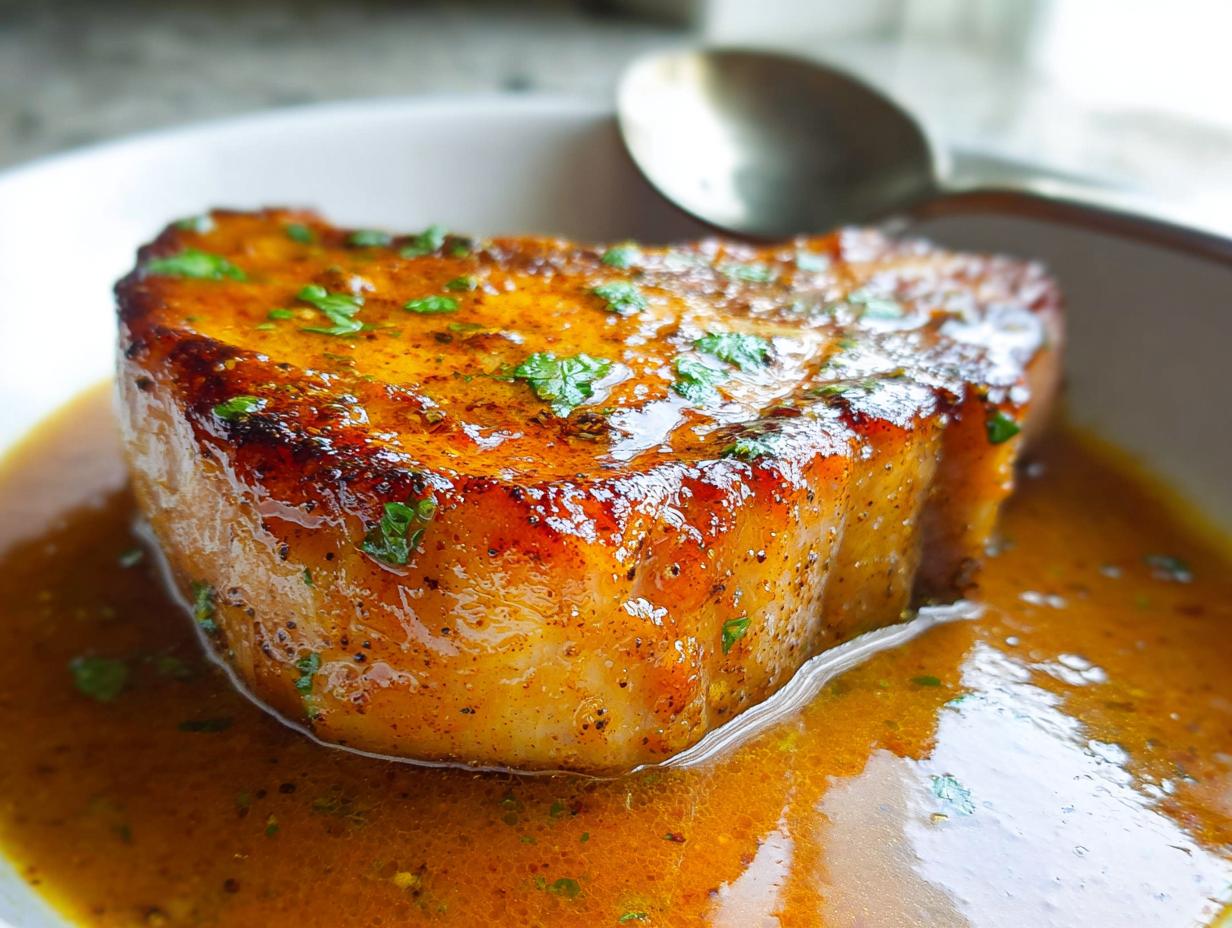
If the words “pork chop” send a wave of panic through you, trust me, I totally get it! For so long, I thought they were destined to be dry, tough little hockey pucks. But you know what? That changed for me one hectic weeknight when I was juggling new dietary needs for my youngest son. I needed something delicious and fast, and I found this method.
That moment, turning out perfectly juicy pork chops in a simple skillet, became a real turning point in my kitchen. This guide, The Ultimate Pork Chops Recipes Guide for Beginners, is my promise to you that you can master them too, using just one pan. Forget complicated steps; we are focusing on foolproof technique to get you those unbelievably tender, flavorful bites without the stress. This is the only guide you’ll ever need to cook pork chops right!
Why This Is The Ultimate Pork Chops Recipes Guide for Beginners
I know other recipes make this seem really complicated, but honestly, it doesn’t have to be! This guide focuses only on the trusty skillet method because it’s fast and gives you amazing control for a beginner. We aren’t trying to reinvent the wheel here; we are just perfecting the basics so you can succeed.
Why should you trust this method? Because we eliminate the guesswork that leads to dry meat. Cooking pork chops shouldn’t feel like a high-stakes gamble every time.
- It uses minimal equipment—just your everyday skillet.
- The seasoning blend is powerful but uses pantry staples you already have.
- It teaches you the two non-negotiable secrets to keeping that beautiful texture.
Foolproof Method for Juicy Pork Chops
The whole trick to getting truly juicy pork chops every single time comes down to patience in the start and paying attention at the end. We temper the meat first, letting it warm up gently. Then, we rely completely on the thermometer—or the visual check if you don’t have one—to pull them off the heat *just* before they are done. The final magic step is the rest; this is critical for letting those juices settle back in!
Simple Seasoning for Maximum Flavor
Listen, you don’t need ten different specialty spices to make amazing chops. I put together a very simple dry rub that punches way above its weight. It gives you that nice savory crust when searing without demanding a trip to the fancy spice aisle. It’s all about using the right ratios of garlic, onion, and paprika to complement the pork, not hide it.
Gathering Your Tools for The Ultimate Pork Chops Recipes Guide for Beginners
Before we even think about seasoning, we need to make sure you’re set up for success! Don’t worry, you probably have most of this stuff already sitting in your cabinets. Having the right container for the job really helps keep things organized when you’re first learning the ropes.
Since we are sticking to the simple skillet method, the list is short. You’ll absolutely want a good one that comes with a lid—that lid is our secret weapon for steaming the chops through perfectly! Also, please grab that instant-read thermometer if you have one; it’s a beginner’s best friend for guaranteeing those juicy results.
Here are the core tools you’ll need ready to go:
- A sturdy Skillet with a lid (cast iron is wonderful, but any heavy-bottomed pan works).
- A Small bowl for mixing your dry rub.
- Reliable Tongs for flipping without poking holes in the meat.
- An Instant-read thermometer. This is the key to not guessing if they are done!
Ingredients Needed for Juicy Skillet Pork Chops
Okay, now we talk about the good stuff! Getting the right ingredients is half the fight won. Since this guide is focused on simplicity, we’re sticking to the basics for the pork chops themselves and then building a super quick sauce right in the same pan. That means fewer dirty dishes, which I always appreciate!
I want you to pay close attention to the thickness of the chops you buy—one inch is the sweet spot for this timing. Also, when you get to the stock for the sauce, please grab the low-sodium kind. We are adding salt and flavor throughout, so we don’t want to start with something already overloaded!
You can check out some of my favorite recipe foundations over here: my recipe index.
For the Pork Chops
These items create the perfect, seasoned crust on our pork chops.
- You need 4 pork chops, and make sure they are about 6 ounces each and 1-inch thick. This thickness is key!
- Salt, “to taste” (about a pinch on each side).
- 1 tablespoon of all-purpose flour—this helps the seasoning stick and browns nicely.
- A mix of spices: 1 teaspoon chili powder, 1 teaspoon garlic powder, 1 teaspoon onion powder, and 1/2 teaspoon smoked paprika.
- 1/2 teaspoon ground black pepper.
- 1 tablespoon of avocado oil or vegetable oil for getting that great sear in the skillet.
For the Pan Sauce
This is how we guarantee the chops stay juicy and get a bright, tangy finish.
- 1 cup of low-sodium chicken stock.
- 1 tablespoon apple cider vinegar—it brightens everything up!
- 2 teaspoons honey or brown sugar to balance the tang.
- 1 tablespoon butter, cold, for swirling in right at the end.
- 2 tablespoons chopped fresh parsley, if you feel like sprinkling something green on top (it’s optional, but looks fancy!).
Step-by-Step Instructions for The Ultimate Pork Chops Recipes Guide for Beginners
This is where the magic happens! I promise these steps are incredibly straightforward. We start by making sure the pork is happy and seasoned, then we move fast to get a gorgeous color on it in the pan. Follow this sequence exactly, and you’ll be shocked at how easy it is to get juicy results.
For more dinner inspiration that keeps things simple, you can always browse my easy dinner recipes section. But for now, focus right here!
Prep Work: Tempering and Seasoning the Pork Chops
First things first: take those beautiful pork chops out of the fridge about 30 minutes before you want to start cooking. This is called tempering, and it helps them cook evenly so you don’t end up with an overcooked edge and a cold center. Once tempered, pat them really dry with a paper towel—I stress this! Dry meat sears; wet meat steams.
While they temper, whisk together all your dry spices in that little bowl we talked about. Don’t forget the flour in that mix! Salt both sides generously before you rub that bright spice mixture all over the now-dry chops.
Searing for Color and Flavor in the Skillet
Place your skillet over medium-high heat and add your oil—wait until that oil is shimmering, that’s how you know it’s hot enough for a good sear. Gently place the chops in the hot oil. Let them sit without touching them for 2 to 3 minutes until they look golden brown and happy.
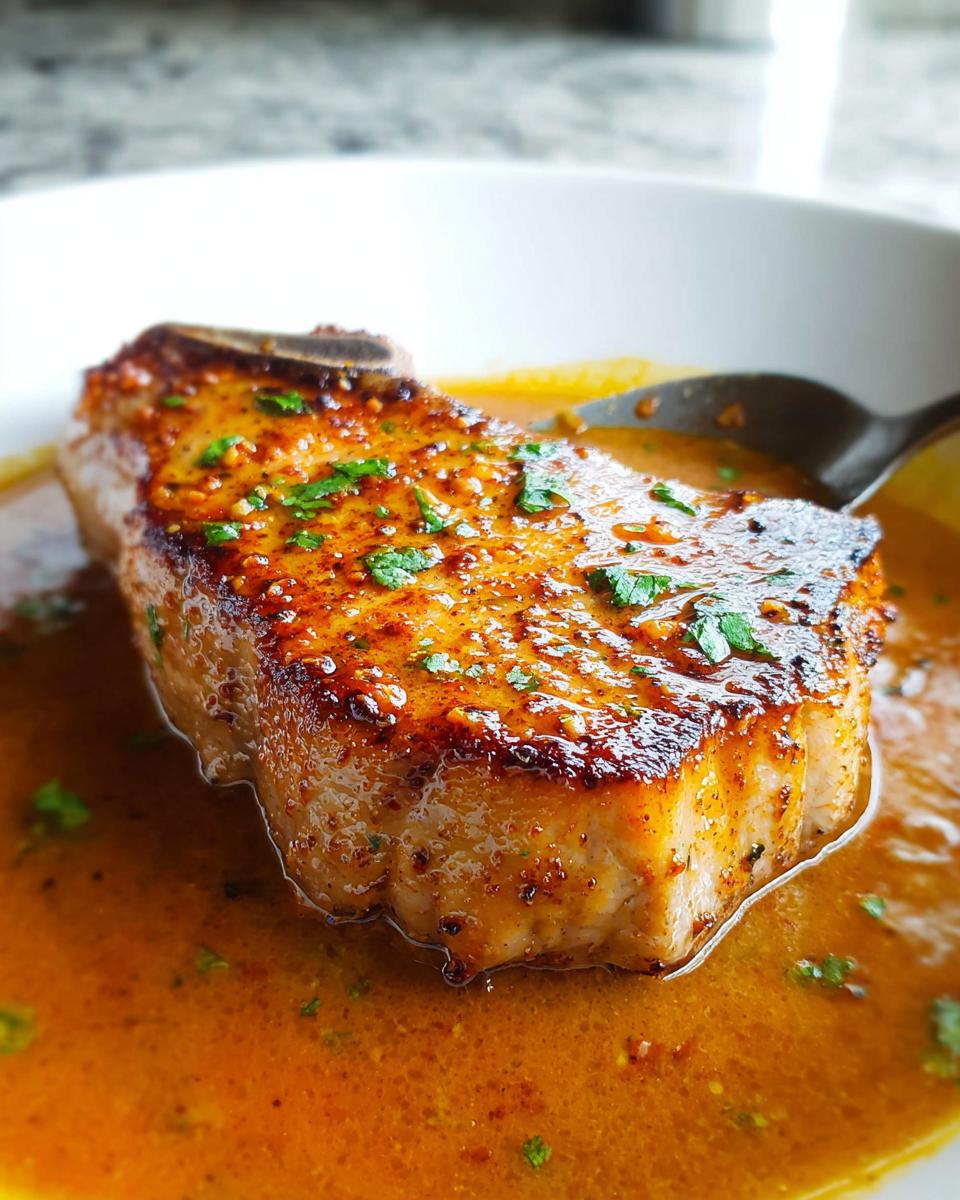
Now, this is an important little trick: grab your tongs and stand each chop up on its fatty edge for about 30 seconds. You want that fat to sizzle and render out a little bit. This adds so much flavor to the pan for the sauce later!
Cooking Through to Achieve Juicy Pork Chops
After searing both sides (and that fat edge!), turn the heat down to low. Yes, low! Cover the skillet with the lid. This traps the heat and gently steams the inside of the chop while protecting that beautiful crust you just created. This is how we guarantee tender, juicy results.
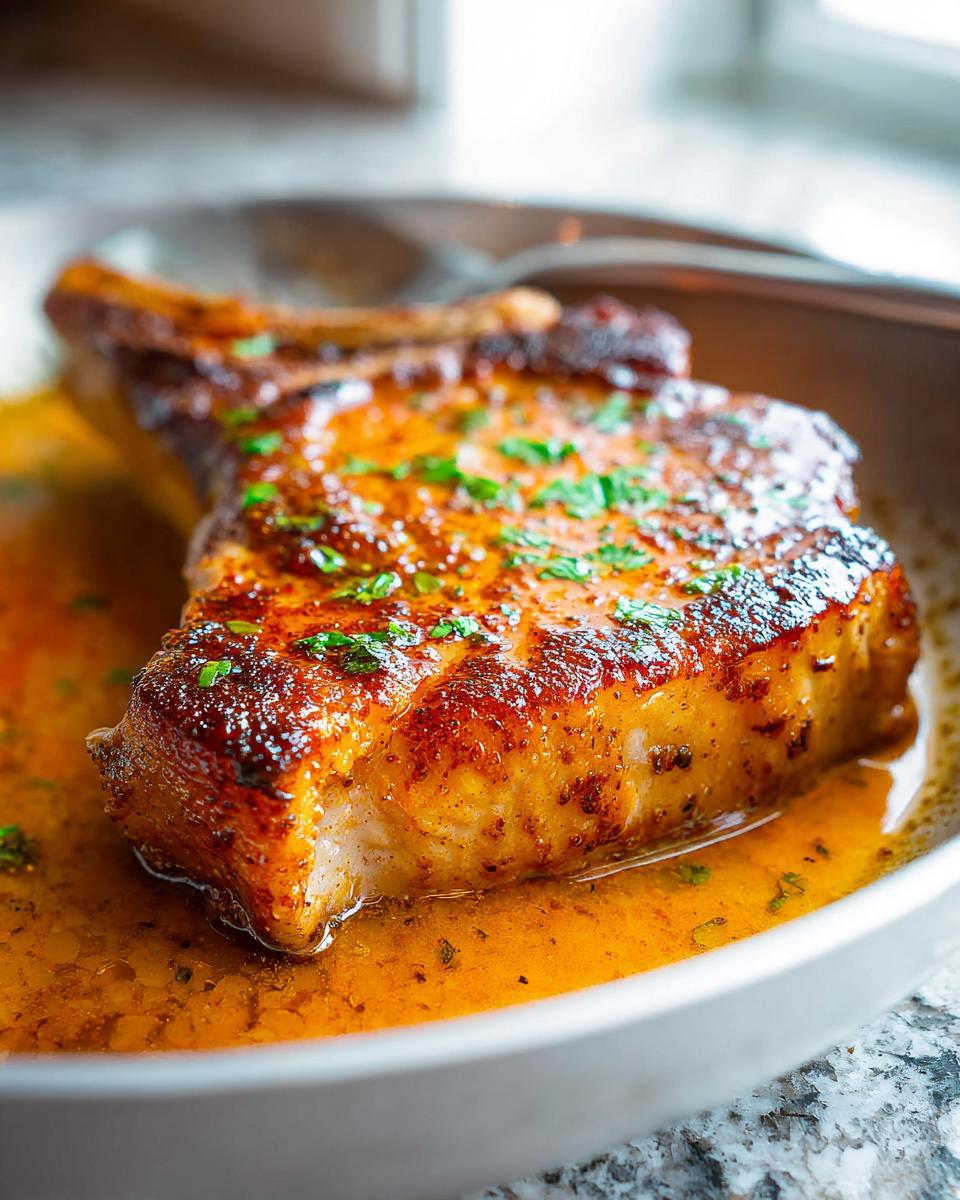
Start checking the temperature after about 6 minutes. If you have a thermometer, you are aiming for 145°F in the thickest part. If you don’t have one, carefully cut a tiny slit into the thickest part; if the juices run perfectly clear—not pinkish or cloudy—they are done! Pull them out right away and put them on a clean plate, tented loosely with foil. We must let them rest for 5 minutes, seriously! You can find some great tips on searing here: inspired taste guide.
Making the Quick Pan Sauce While Pork Rests
Since the pork is resting, turn the heat on the skillet back up to medium-high. Pour in that chicken stock and the vinegar—listen to that sizzle! As it simmers, use a wooden spoon to scrape up all those yummy browned bits stuck to the bottom. That’s called fond, and it’s pure flavor gold!
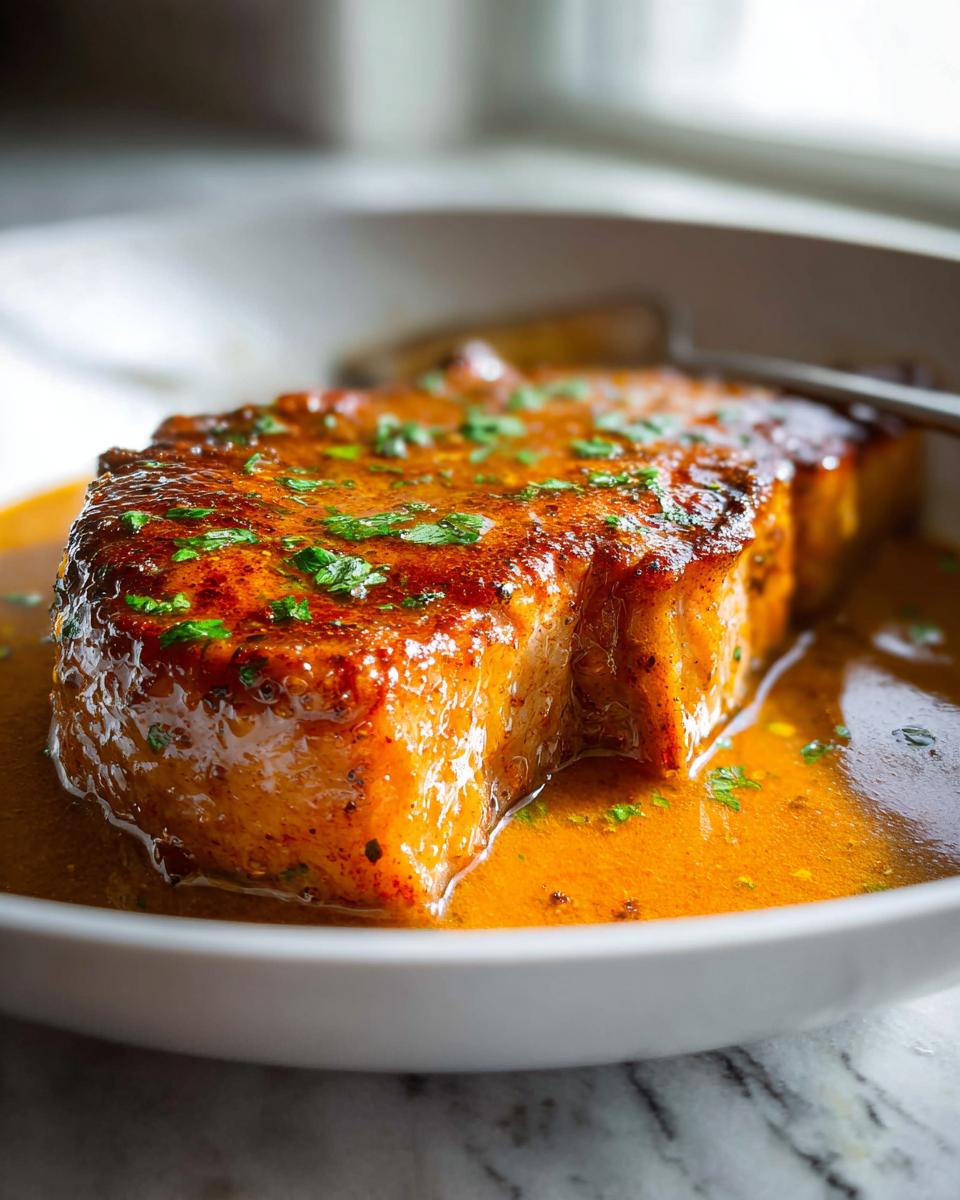
Let that liquid bubble away until it cooks down by about half. See it getting syrupy? That’s perfect. When it’s reduced enough, slide the pan off the heat entirely. Wait just a moment for the boiling to stop, then swirl in that tablespoon of cold butter until it melts and makes the sauce shiny and thick. That’s it! Toss your chops back in just to coat before serving.
Expert Tips for Mastering The Ultimate Pork Chops Recipes Guide for Beginners
Even with this super straightforward method, a couple of pro tips can elevate your pork chops from great to absolutely unforgettable! I’ve learned these little secrets over many, many attempted dinners. The main takeaway is that cooking isn’t just about the heat; it’s about respecting the meat’s natural process after the heat is off.
Seriously, don’t skimp on resting time. If you cut into a chop immediately, all that hard work you put into searing and gentle cooking just pours right out onto your plate—and that means a drier bite! When you’re making these for the family, remember that everyone’s chops might be slightly different thicknesses, even if they look the same at the store.
If you want more inspiration on quick weeknight meals that follow similar flavor profiles, check out my updates on easy chicken recipes inspiration!
The Importance of Resting Time
I made this rule non-negotiable: five minutes minimum! When you pull those chops from the pan at 145°F, they aren’t actually finished cooking yet; they are just hot enough. That short rest allows the muscle fibers, which have tightened up under heat, to relax. When they relax, they reabsorb those wonderful, warm juices. That simple rest is your best tool for keeping those chops satisfyingly juicy, especially when using just the skillet.
Adjusting for Different Pork Chop Thicknesses
In the recipe above, we aimed for 1-inch thick chops because they cook beautifully under the lid. If yours are thinner—say, maybe just 3/4 of an inch—you need to cut that covered cooking time way down! Start checking them after only 4 minutes on low heat because they’ll hit that magical 145°F threshold much faster. If, however, you got a great deal on super thick chops (like 1.5 inches), you might need to add another 2 to 4 minutes to that covered time. Always trust the thermometer over the clock!
Serving Suggestions for Your Juicy Pork Chops
So you’ve got these gorgeous, juicy pork chops perfectly coated in that bright pan sauce! Now what goes on the side? Since this is The Ultimate Pork Chops Recipes Guide for Beginners, we need sides that won’t take up your whole afternoon.
I love keeping things simple but colorful. A quick mash or roasted vegetable works beautifully. Think about creamy mashed potatoes—easy to prep while the pork is resting—or even some simple steamed green beans tossed with a little lemon zest. If potatoes are your jam, you should check out my collection of easy potato recipes. They pair perfectly with that savory sauce we made in the skillet!
Storage and Reheating Instructions for Leftover Pork Chops
We rarely have leftovers because these chops disappear so fast, but when we do, storing them correctly is key to keeping them tender. Remember that sauce we made? Save a little bit of it! Store the pork chops and the extra sauce together in an airtight container in the fridge. You don’t want them drying out in storage ahead of time.
When you want to reheat them, skip the microwave if you can—it tends to toughen meat right up! The best way to revive those juicy bites is on the stovetop in a small, non-stick pan over medium-low heat with just a spoonful of water or that reserved sauce. Heat them slowly until they are just warmed through, and they taste almost freshly made!
Frequently Asked Questions About The Ultimate Pork Chops Recipes Guide for Beginners
It’s totally normal to have questions when you are learning a new protein, especially pork chops! I’ve collected the things that usually trip up new cooks, so we can head them off right now. Remember, cooking should be fun, not frustrating, and we want every single one of these to come out juicy!
If you ever need more help or want to share your success (or even just ask a random cooking question!), please don’t hesitate to reach out to me here: Contact Marco.
How do I know if my pork chops are fully cooked without a thermometer?
If you skipped getting a thermometer—which, okay, I understand—you rely on the visual test! After you’ve cooked them low and slow under the lid, lift the chop and make a small, shallow cut right into the thickest part with a sharp knife. If the juices that run out are totally clear, you are good to go! If it looks slightly pinkish or cloudy, pop that lid back on and give it another minute or two on low heat. Clear juices mean you’ve hit that perfect safe temp.
Can I use a different cooking method besides the skillet?
Yes, you absolutely can bake or air fry pork chops! They are versatile things. However, this specific guide is built around the skillet because it allows you to develop that beautiful brown crust (the sear) and then use those same remnants to build the quick pan sauce. For a beginner, mastering the one-pan sear-and-simmer approach gives you the best bang for your effort. Let’s stick to the skillet today for guaranteed amazing results!
Why did my pork chops turn out dry?
Ah, the eternal question! 99% of the time, dry chops come down to one of two things, maybe three. First, they were cooked too long—you must pull them off the heat right as they hit 145°F because residual heat keeps cooking them. Second, and this is a big one, you cut into them before they rested! Skipping that 5-minute rest lets all the moisture escape onto the plate. Don’t let that happen; those precious juices need to redistribute!
Estimated Nutritional Data for This Pork Chop Recipe
I always like to give you an idea of what you’re digging into, even though I focus more on taste and tenderness than counting every little thing! The numbers below are an estimate based on the ingredients listed in this recipe for one pork chop serving.
Remember, this is just an estimate since the final count really depends on how thick your chops were, how much fat you rendered off, and exactly which brand of chicken stock you used. So take these figures as a friendly guideline rather than a rigid law!
- Calories: 369
- Protein: 46.1g (That’s why they make such a satisfying dinner!)
- Fat: 14.3g
- Saturated Fat: 5.1g
- Carbohydrates: 11.6g
- Sugar: 4.4g
- Sodium: 767mg (This is why I insisted on low-sodium stock!)
- Fiber: 1.4g
See? A wonderfully balanced meal cooked quickly right there in your skillet. Enjoy knowing that this simple prep leads to something remarkably delicious!
Share Your Success with This Easy Pork Chop Recipe
Wow, we did it! You now have the playbook for reliably cooking pork chops that are unbelievably juicy and flavorful every single time. I hope that seeing how simple the skillet method is takes away any fear you might have had about making them.
For me, knowing I can whip up something this delicious on a busy weeknight has been a huge win, just like that first time with my son. I really want to hear about your results! Did you try the pan sauce? Did the 145°F temperature make a difference for you?
Please take a moment to leave a rating below the recipe card—even a quick star rating tells me so much! And if you took a picture of those beautiful golden chops, tag me on social media! I love seeing how my recipes come to life in your kitchen. If you’re curious about the person behind these tried-and-true methods, you can read a bit more about my journey here: About Marco Santos. Happy cooking, and I’ll see you in the next recipe!
The Ultimate Pork Chops Recipes Guide for Beginners
Ingredients
Equipment
Method
- Take the pork chops out of the refrigerator and season both sides with salt (a little less than 1/4 teaspoon per chop). Let them rest at room temperature for 30 minutes.
- In a small bowl, mix the flour, chili powder, garlic powder, onion powder, smoked paprika, and 1/2 teaspoon of black pepper.
- After 30 minutes, pat the chops dry with paper towels, then rub the spice mixture all over them.
- Heat the oil in a skillet (with a lid) over medium-high heat. When the oil is hot and looks shimmery, add the pork. Cook until golden, 2 to 3 minutes.
- Flip the pork so that the seared side is facing up. Use tongs to hold chops with a fat edge upright until the fat sizzles and browns, about 30 seconds.
- Reduce the heat to low, then cover the skillet. Cook for 6 to 12 minutes, or until an instant-read thermometer inserted into the thickest part of the chop reads 145°F. Start checking for doneness at 5 minutes, then every 2 minutes after. If you do not have a thermometer, the pork chops are done when the juices run clear when cut into.
- Transfer the pork chops to a plate, then loosely cover them with aluminum foil. Let the pork rest for 5 minutes.
- While the pork rests, make the pan sauce in the same skillet. Increase the heat to medium-high, then add the chicken stock, vinegar, and honey. Bring the sauce to a simmer and cook until reduced by half. As it simmers, use a wooden spoon to scrape the bottom of the pan to lift any stuck bits of pork. Taste, then adjust with additional salt, vinegar, or honey.
- Slide the skillet off the heat, wait until the sauce stops simmering, then swirl in the butter.
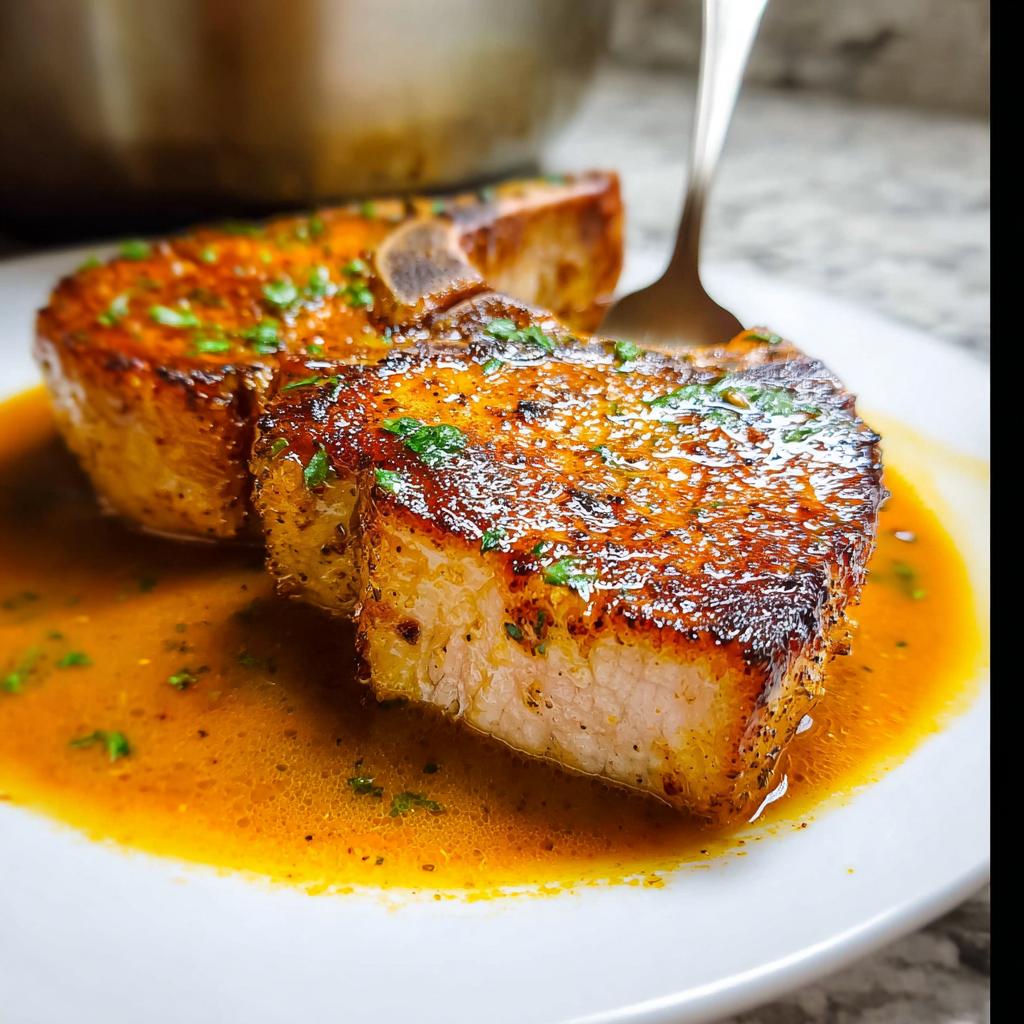
- Return the pork chops to the pan and spoon the sauce over them. Or slice the chops and toss the slices in the sauce. Sprinkle with fresh parsley and serve.
Nutrition
Notes
Tried this recipe?
Let us know how it was!
Gluten-Free Chef & Latin Cuisine Innovation Specialist
My youngest son’s celiac diagnosis at four changed everything. Suddenly, all those traditional Brazilian and Portuguese recipes from my avó needed to be completely reimagined without losing their soul.
After graduating from Johnson & Wales and working Miami’s Latin fusion scene, my son’s diagnosis became my calling. How do you make gluten-free empanadas that taste like childhood? Over eight years, I’ve developed 320+ gluten-free recipes celebrating authentic Latin flavors using cassava flour and plantain alternatives.
My gluten-free empanada recipe won “Best Appetizer” at the 2023 Miami Gluten-Free Food Festival. I ran “Sabores Sin Gluten,” a catering business serving Miami’s Latino community—quinceañeras, family gatherings, all the celebrations that matter.
Food is culture, and everyone deserves to experience the joy of sharing traditional family meals, regardless of dietary restrictions.